9th February 2008
PRESS RELEASE
A LICENCE TO KILL
(colour report will be available to view at www.naturealert.org
from Sunday 10th February.)
In yet another damning review of the palm oil industry, Nature Alert and Indonesia’s Centre for Orangutan Protection condemn the government of Indonesia for its complicity in the destruction of rainforests and the killing of orangutans.
Nature Alert’s Director, Sean Whyte says, “We call on President Yudhoyono to issue an immediate moratorium on the cutting down of rainforests for new palm oil plantations. He knows as well as anyone there is already plenty of previously deforested land available to grow new crops on.”
The palm oil industry and the Indonesian government already have the deaths of thousands of orangutans on their conscience. The truth is now out and they can be seen for what they are, merciless killers of orangutans as well as all other wildlife that once lived in the rainforests being cleared to this day at a breathtaking rate.
Hardi Baktiantoro, Director of Indonesia’s only specialist orangutan conservation organisation says, “I love my country but I hate what I see it doing to the rainforests and orangutans. We have to stop the destruction NOW – soon it will be too late.”
In a country once renowned through films and books as one filled with majestic trees teeming with wildlife, it is now possible to drive all day without seeing any rainforest. Instead, palm oil plantations are all one can see for mile after mile, no birds singing, no wildlife – the air is silent where once it would have been filled with the sounds of life.
Further information and contact details overleaf. High quality photos are available.
Notes:
This is the third report in three years published by Nature Alert. Previous ones have resulted in the major UK retail companies responding positively to sourcing palm oil that can truly be classed as ‘sustainable’.
Attention is now being turned to the source of the problem – the government of Indonesia.
In Indonesia, palm oil plantation companies buy forests from the government. In selling licences the government is knowingly (there is zero doubt about this) condemning thousands of orangutans to a certain death. This is despite their avowed commitment to The Kinshasa Declaration (copy attached). Last November in Bali the President declared his personal commitment to saving orangutans – but why should anyone believe him?
The figure of 10,000 has been arrived at based on information provided by a leading expert in Indonesia. One should remember for every orangutan reportedly killed, it is thought that a further four will have died or been captured.
‘Based on recent spatial analysis. Of the 8,100,000 ha of land earmarked for oil palm development in Kalimantan, 1,000,000 ha is in orang-utan forest habitat, with 210,000 ha in peat forest and with the remainder on mineral soils. This 1 million ha of orang-utan habitat is to be converted to oil palm in the next 5 years, affecting perhaps 10,000 animals. Not all of these will be killed’.
Orangutans, of which there are two species (Bornean and Sumatran) are fully protected species and listed on Appendix 1 of CITES. Latest estimates suggest 7,000 Sumatran and
53,000 Bornean orangutans remain. some 50,000 have been killed in the past 35 years.
Nature Alert is a non-profit, all-voluntary organisation based in the UK, focused entirely on saving orangutans. Sean Whyte, its Founder/Director, along with Hardi Baktiantoro (see below), returned this week from West Kalimantan (Borneo) where fresh evidence of orangutan killing in one of the more remote regions of Borneo is all too evident, and it’s getting worse.
http://www.naturealert.org/ http://www.born-to-be-wild.org/ http://naturealert.blogspot.com/
Tel: 01225 444929 07763 146677
The Centre for Orangutan Protection is the only all-Indonesian NGO dedicated to saving orangutans. Its Founder/Director, Hardi Baktiantoro, is widely recognised and respected in Indonesia as its leading campaigner for the protection of this species.
http://www.orangutanprotection.com/
Tel: (Indonesia + 7 hours from UK) +62 8139 822 9911
Further information and photos are available on request. Please see above for contact details.
Friday, 8 February 2008
PTT expanding into palm oil production
PTT expanding into palm oil production
New Green Energy unit enters IndonesiaYUTHANA PRAIWAN
PTT Plc, the country's largest energy company, is gearing up to invest in a palm oil production plant in Indonesia by acquiring major stakes in the Indonesian palm oil producer PT Mitra Aneka Rezeki (PT MAR). Prasert Bunsumpun, the PTT president and CEO, said that a new wholly owned company called PTT Green Energy Co (PTTGE) would be established to invest in the plantations and crude palm oil production with registered capital of US$28 million or about 942.5 million baht.
PTT's wholly owned subsidiary, Kalimantan Thai Palm Pte (KTP), which was registered in Singapore a few days ago, acquired 95% of PT MAR from former shareholders for $14.725 million.
PT MAR has registered capital of five billion rupiah or 20 million baht, and holds a licence for palm tree plantations in western Kalimantan.
The land covers around 87,500 rai, of which 19,375 rai would be used for commercial palm oil production. Another 31,250 rai are in the early stages of plantation and 36,875 rai would be ready for planting in the future.
Mr Prasert said the Indonesian arm was preparing to construct a new crude palm oil refinery expected to be completed 2011-12.
The company sees great potential for crude palm oil due to rising concern over global warming and soaring fuel prices. It plans to sell most of its output to the local palm oil industry, and export the remainder to Asia.
The company is considering building other plants for upstream crude palm oil products.
Mr Prasert said the move was part of PTT's plan to seek high returns on overseas investment.
Anon Sirisaengtaksin, PTT's senior executive vice-president for corporate strategy and development, said the group had been investing in biofuel for a long time in its bid to tap high global demand.
PTTGE would act as the main vehicle to invest in new businesses for the group, particularity alternative energy and ethanol. It would also help secure raw materials for biodiesel, which faces supply constraints.
Mr Anon would not elaborate on the current production output and the investment value of the Indonesia project.
''We had prepared a long time ago to expand palm oil production in Thailand but the limited plantation land and the process of palm tree farming means the trees take several years to begin producing returns,'' he said.
He added that some of PT MAR's oil output would be imported for PTT's affiliate Thai Oleochemicals, with a daily capacity of 600,000 litres of biofuel (B100).
PTT recently moved to join with the power producer Egco Group to build wind farms and methane energy plants in the provinces.
Biodiesel is a mixture of plant-based oil and diesel that emits fewer greenhouse gasses than pure diesel. However, some environmentalists criticise the move toward biodiesel, saying that it leads to deforestation in tropical rainforests.
PTT shares closed yesterday on the Stock Exchange of Thailand at 310 baht, down six baht, in trade worth 1.2 billion baht.
http://www.bangkokpost.com/Business/08Feb2008_biz48.php
New Green Energy unit enters IndonesiaYUTHANA PRAIWAN
PTT Plc, the country's largest energy company, is gearing up to invest in a palm oil production plant in Indonesia by acquiring major stakes in the Indonesian palm oil producer PT Mitra Aneka Rezeki (PT MAR). Prasert Bunsumpun, the PTT president and CEO, said that a new wholly owned company called PTT Green Energy Co (PTTGE) would be established to invest in the plantations and crude palm oil production with registered capital of US$28 million or about 942.5 million baht.
PTT's wholly owned subsidiary, Kalimantan Thai Palm Pte (KTP), which was registered in Singapore a few days ago, acquired 95% of PT MAR from former shareholders for $14.725 million.
PT MAR has registered capital of five billion rupiah or 20 million baht, and holds a licence for palm tree plantations in western Kalimantan.
The land covers around 87,500 rai, of which 19,375 rai would be used for commercial palm oil production. Another 31,250 rai are in the early stages of plantation and 36,875 rai would be ready for planting in the future.
Mr Prasert said the Indonesian arm was preparing to construct a new crude palm oil refinery expected to be completed 2011-12.
The company sees great potential for crude palm oil due to rising concern over global warming and soaring fuel prices. It plans to sell most of its output to the local palm oil industry, and export the remainder to Asia.
The company is considering building other plants for upstream crude palm oil products.
Mr Prasert said the move was part of PTT's plan to seek high returns on overseas investment.
Anon Sirisaengtaksin, PTT's senior executive vice-president for corporate strategy and development, said the group had been investing in biofuel for a long time in its bid to tap high global demand.
PTTGE would act as the main vehicle to invest in new businesses for the group, particularity alternative energy and ethanol. It would also help secure raw materials for biodiesel, which faces supply constraints.
Mr Anon would not elaborate on the current production output and the investment value of the Indonesia project.
''We had prepared a long time ago to expand palm oil production in Thailand but the limited plantation land and the process of palm tree farming means the trees take several years to begin producing returns,'' he said.
He added that some of PT MAR's oil output would be imported for PTT's affiliate Thai Oleochemicals, with a daily capacity of 600,000 litres of biofuel (B100).
PTT recently moved to join with the power producer Egco Group to build wind farms and methane energy plants in the provinces.
Biodiesel is a mixture of plant-based oil and diesel that emits fewer greenhouse gasses than pure diesel. However, some environmentalists criticise the move toward biodiesel, saying that it leads to deforestation in tropical rainforests.
PTT shares closed yesterday on the Stock Exchange of Thailand at 310 baht, down six baht, in trade worth 1.2 billion baht.
http://www.bangkokpost.com/Business/08Feb2008_biz48.php


49,000 ha of illegal palm oil plantations to be slashed in Riau
49,000 ha of illegal palm oil plantations to be slashed in Riau
*Nation News - Friday, February 08, 2008*Rizal Harahap*,
The Jakarta Post,
Pekanbaru
The government will slash some 49,000 hectares of illegal palm oil plantations in protected forest areas in Rokan Hulu regency, Riau, allowing forests to reclaim cleared land, an official said Wednesday.
Rokan Hulu regent Achmad said the oil palms in the protected forest area, in Sungai Mahato and Bukit Sugili, would be destroyed because the plantation was developed without authorization.Conversion of protected forest into oil palm plantation and illegal logging practices have been rampant, he said, but no steps have been taken yet to stop perpetrators or plantation "owners"."
The public has to pay high costs for the illegal conversion of land, with the shrinking of water catchment areas which ends up causing flooding each year in the regency," he said."The rampant land conversion has also led to frequent attacks from protected animals, like elephants and Sumatran tigers, on locals and their farmland, after losing their habitat in protected forests," he said.
Achmad, who is still seven months in his tenure, said the reforestation program would be financed by the 2008 state budget, and supervised by relevant authorities to avoid financial malfeasance.
He said any farmers refusing to leave the protected area would be prosecuted because they would be breaking the 2004 law on the environment.It was tragic that most of the 32,000-ha Sungai Mahato forests and 31,000 Bukit Sugili forests had been cleared for plantations, which meant (protected) wildlife was forced to seek refuge in other forests nearby, Achmad said.Meanwhile, local activists have expressed their skepticism over the local government's commitment to regenerate the forest, saying the move would meet strong protests and resistance from local farmers.
Tropica non-government organization executive director Harizal Jalil said if the regent could execute the plan, it could be the first step toward regreening vast areas of barren land inside protected forests and national parks in the province."The problem is whether the plan gets executed or not. A strong commitment is needed from all sides to do this," he said.Executive director of the Environmental Forum in Riau, Jhony Setiawan Mundung, said a national movement was needed to support the reforestation of 300,000 hectares of cleared forests in the province.
"We are very eager to see if the regent can execute the plan, or if he is just talking," he said.The chief of palm oil affairs at the local plantation office, Hanafi, said he was pessimistic at the success of the plan because 8,000 farmers who worked on the plantation would stage a strong protest if the regent goes ahead.He said his office had never issued any permit to farmers to plant oil palm trees in protected
areas.
http://www.thejakartapost.com/misc/PrinterFriendly.asp
*Nation News - Friday, February 08, 2008*Rizal Harahap*,
The Jakarta Post,
Pekanbaru
The government will slash some 49,000 hectares of illegal palm oil plantations in protected forest areas in Rokan Hulu regency, Riau, allowing forests to reclaim cleared land, an official said Wednesday.
Rokan Hulu regent Achmad said the oil palms in the protected forest area, in Sungai Mahato and Bukit Sugili, would be destroyed because the plantation was developed without authorization.Conversion of protected forest into oil palm plantation and illegal logging practices have been rampant, he said, but no steps have been taken yet to stop perpetrators or plantation "owners"."
The public has to pay high costs for the illegal conversion of land, with the shrinking of water catchment areas which ends up causing flooding each year in the regency," he said."The rampant land conversion has also led to frequent attacks from protected animals, like elephants and Sumatran tigers, on locals and their farmland, after losing their habitat in protected forests," he said.
Achmad, who is still seven months in his tenure, said the reforestation program would be financed by the 2008 state budget, and supervised by relevant authorities to avoid financial malfeasance.
He said any farmers refusing to leave the protected area would be prosecuted because they would be breaking the 2004 law on the environment.It was tragic that most of the 32,000-ha Sungai Mahato forests and 31,000 Bukit Sugili forests had been cleared for plantations, which meant (protected) wildlife was forced to seek refuge in other forests nearby, Achmad said.Meanwhile, local activists have expressed their skepticism over the local government's commitment to regenerate the forest, saying the move would meet strong protests and resistance from local farmers.
Tropica non-government organization executive director Harizal Jalil said if the regent could execute the plan, it could be the first step toward regreening vast areas of barren land inside protected forests and national parks in the province."The problem is whether the plan gets executed or not. A strong commitment is needed from all sides to do this," he said.Executive director of the Environmental Forum in Riau, Jhony Setiawan Mundung, said a national movement was needed to support the reforestation of 300,000 hectares of cleared forests in the province.
"We are very eager to see if the regent can execute the plan, or if he is just talking," he said.The chief of palm oil affairs at the local plantation office, Hanafi, said he was pessimistic at the success of the plan because 8,000 farmers who worked on the plantation would stage a strong protest if the regent goes ahead.He said his office had never issued any permit to farmers to plant oil palm trees in protected
areas.
http://www.thejakartapost.com/misc/PrinterFriendly.asp
Wednesday, 6 February 2008
World Launches Talks on Forest Payoffs
World Launches Talks on Forest Payoffs
By MICHAEL CASEY – Associated Press
BALI, Indonesia (AP) — For decades, a flood of aid and an army of conservationists couldn't save Indonesia's rain forests from illegal loggers, land-hungry peasants and the spread of giant plantations. Now the world is looking at a simpler approach: up-front cash.
Whether it was arming forest police or backing schemes to certify legal logs, no tactic could silence the chain saws or douse the intentional fires that each day destroy 20 more square miles of Indonesia's rain forests, and an estimated 110 square miles elsewhere in the world's tropics.
The problem was pure economics: Neither local authorities nor the rural poor, in Indonesia and elsewhere, have a material incentive to keep their forests intact.
That could now change because of a decision at December's U.N. climate conference in Bali, Indonesia, to negotiate a deal, as part of the next international climate agreement, under which countries would be rewarded for reducing their galloping rates of deforestation, a big contributor to global warming.
The cash might come directly from a fund financed by richer northern nations, or through "carbon credits" granted per unit of forest saved. The credits could be traded on the world carbon market, where a northern industry can buy such allowances to help meet its own required reductions in emissions of global-warming gases.
Indonesia and other tropical countries backing the "avoided deforestation" concept hope this carbon price will outpace what landowners could get from logging the forests or clearing them for palm oil, rubber, soybean or other plantations.
"For the next decade, the international community and countries that negotiate this convention have tremendous potential, tremendous power in their hands," said Benoit Bosquet, head of a World Bank project to prepare poorer countries to take part in the new initiative, known as REDD, for Reducing Emissions from Deforestation and Degradation.
"There will be a lot of money going in there," he said. "You will see actors currently converting forest to plantations and cattle ranches saying, 'Wait a minute. If I get more money to preserve my forest than to produce beef, then of course I will keep my forest standing.'"
But turning REDD into reality is far from guaranteed, given competing interests among tropical countries, the world's growing demand for plantation products, and its poor track record in controlling deforestation.
The tangled question of forests has dogged climate negotiations for years.
Deforestation was left out of the 1997 Kyoto Protocol because of concerns that tradable credits for saving forests would take pressure off northern nations to reduce their own industries' greenhouse-gas emissions as required under that accord. But scientific uncertainty also muddies the picture.
The carbon dioxide spewed into the atmosphere by the burning and rotting of deforestation is estimated to account for 20 percent of manmade greenhouse-gas emissions. But from Brazil's mahogany trees to Papua New Guinea's thick-trunked kauri, how much carbon is stored in which of the world's forests? How much carbon dioxide is absorbed by which trees?
How will the world fix baselines, judging what a country's "usual" deforestation rate is, in order to gauge rewards for a lower rate? And who's to verify the numbers?
A technical body under the U.N. climate treaty is collecting proposals from governments on how to address such issues. It's the first step toward negotiating a deal by 2009, as part of an overall agreement on deeper emissions cuts to succeed Kyoto when it expires in 2012.
Beyond the technical, however, political disputes will complicate the U.N. talks.
The focus may be on today's deforestation, but India, Costa Rica and others believe they should get credit for having been "good" — protecting their forests over the years. Some rain-forest governments, meanwhile, want commercial tree plantations counted in the mix, a move environmentalists oppose.
Some fear "avoided deforestation" credits flooding the market will drive down the carbon price. That's why REDD's advocates want the next round of emissions reductions to cut much deeper than Kyoto, raising demand for credits.
Brazil, whose energy projects already make it a big player in carbon credits, has opposed extending that market to trees, favoring instead a global fund to compensate rain-forest nations directly for income lost when land sits undeveloped.
The British government's Stern Review of climate economics argued that targeting deforestation is among the cheapest ways to reduce greenhouses gases. It estimated halting 70 percent of rain-forest destruction would cost $5 billion a year in compensation.
Some rain-forest nations, on the other hand, calculate REDD could generate as much as $23 billion a year.
Whatever the amount, into whose pockets would these credits or cash flow?
Over the years, in Indonesia and elsewhere, many initiatives — from arresting illegal loggers to promoting sustainable logging operations — have failed because of widespread corruption. Bribed officials look the other way. Politically connected elites often reap the profits from deforestation. Such problems remain.
Few governments have the means or money to monitor their deforestation. Land-rights disputes leave ownership of much forested land in question. Some environmentalists fear governments might push indigenous people out of newly protected forests — as they did when many national parks were created.
"We need to have clear property rights so we know who owns these forests that we're paying not to convert," said Frances Seymour, head of the Center for International Forestry Research in Indonesia. "We need mechanisms to get (the funds) down to the local level so they are not just skimmed off at the top."
Powerful interests have much at stake. European money is bringing pressure on Malaysia and Indonesia, for example, to clear land to produce biofuels, and Brazil faces demands from China to plant soybean to feed their growing middle class.
"It doesn't stop at national borders," said the World Bank's Bosquet. "What Brazil is doing is supplying more beef and soy to the outside world. You don't control that within Brazil."
The challenge in the Amazon became clear again in late January, when Brazil's government met in emergency session to deal with a sudden burst of deforestation after three years of decline.
Two months earlier, visiting the Amazon, U.N. Secretary-General Ban Ki-moon learned how dying rain forests will feed global warming, and he went on to Bali to urge the world's nations to act. "It is time to wake up," he said.
Cutting through the political tangle to produce the grand plan called REDD — money for doing nothing to forests — will itself prove a challenge.
"There is a hell of a lot to negotiate and many controversial issues," said Christoph Thies, a Greenpeace forest campaigner who observed the Bali talks. "It's a long and difficult road ahead. To be honest, there is quite a good chance of failure."
By MICHAEL CASEY – Associated Press
BALI, Indonesia (AP) — For decades, a flood of aid and an army of conservationists couldn't save Indonesia's rain forests from illegal loggers, land-hungry peasants and the spread of giant plantations. Now the world is looking at a simpler approach: up-front cash.
Whether it was arming forest police or backing schemes to certify legal logs, no tactic could silence the chain saws or douse the intentional fires that each day destroy 20 more square miles of Indonesia's rain forests, and an estimated 110 square miles elsewhere in the world's tropics.
The problem was pure economics: Neither local authorities nor the rural poor, in Indonesia and elsewhere, have a material incentive to keep their forests intact.
That could now change because of a decision at December's U.N. climate conference in Bali, Indonesia, to negotiate a deal, as part of the next international climate agreement, under which countries would be rewarded for reducing their galloping rates of deforestation, a big contributor to global warming.
The cash might come directly from a fund financed by richer northern nations, or through "carbon credits" granted per unit of forest saved. The credits could be traded on the world carbon market, where a northern industry can buy such allowances to help meet its own required reductions in emissions of global-warming gases.
Indonesia and other tropical countries backing the "avoided deforestation" concept hope this carbon price will outpace what landowners could get from logging the forests or clearing them for palm oil, rubber, soybean or other plantations.
"For the next decade, the international community and countries that negotiate this convention have tremendous potential, tremendous power in their hands," said Benoit Bosquet, head of a World Bank project to prepare poorer countries to take part in the new initiative, known as REDD, for Reducing Emissions from Deforestation and Degradation.
"There will be a lot of money going in there," he said. "You will see actors currently converting forest to plantations and cattle ranches saying, 'Wait a minute. If I get more money to preserve my forest than to produce beef, then of course I will keep my forest standing.'"
But turning REDD into reality is far from guaranteed, given competing interests among tropical countries, the world's growing demand for plantation products, and its poor track record in controlling deforestation.
The tangled question of forests has dogged climate negotiations for years.
Deforestation was left out of the 1997 Kyoto Protocol because of concerns that tradable credits for saving forests would take pressure off northern nations to reduce their own industries' greenhouse-gas emissions as required under that accord. But scientific uncertainty also muddies the picture.
The carbon dioxide spewed into the atmosphere by the burning and rotting of deforestation is estimated to account for 20 percent of manmade greenhouse-gas emissions. But from Brazil's mahogany trees to Papua New Guinea's thick-trunked kauri, how much carbon is stored in which of the world's forests? How much carbon dioxide is absorbed by which trees?
How will the world fix baselines, judging what a country's "usual" deforestation rate is, in order to gauge rewards for a lower rate? And who's to verify the numbers?
A technical body under the U.N. climate treaty is collecting proposals from governments on how to address such issues. It's the first step toward negotiating a deal by 2009, as part of an overall agreement on deeper emissions cuts to succeed Kyoto when it expires in 2012.
Beyond the technical, however, political disputes will complicate the U.N. talks.
The focus may be on today's deforestation, but India, Costa Rica and others believe they should get credit for having been "good" — protecting their forests over the years. Some rain-forest governments, meanwhile, want commercial tree plantations counted in the mix, a move environmentalists oppose.
Some fear "avoided deforestation" credits flooding the market will drive down the carbon price. That's why REDD's advocates want the next round of emissions reductions to cut much deeper than Kyoto, raising demand for credits.
Brazil, whose energy projects already make it a big player in carbon credits, has opposed extending that market to trees, favoring instead a global fund to compensate rain-forest nations directly for income lost when land sits undeveloped.
The British government's Stern Review of climate economics argued that targeting deforestation is among the cheapest ways to reduce greenhouses gases. It estimated halting 70 percent of rain-forest destruction would cost $5 billion a year in compensation.
Some rain-forest nations, on the other hand, calculate REDD could generate as much as $23 billion a year.
Whatever the amount, into whose pockets would these credits or cash flow?
Over the years, in Indonesia and elsewhere, many initiatives — from arresting illegal loggers to promoting sustainable logging operations — have failed because of widespread corruption. Bribed officials look the other way. Politically connected elites often reap the profits from deforestation. Such problems remain.
Few governments have the means or money to monitor their deforestation. Land-rights disputes leave ownership of much forested land in question. Some environmentalists fear governments might push indigenous people out of newly protected forests — as they did when many national parks were created.
"We need to have clear property rights so we know who owns these forests that we're paying not to convert," said Frances Seymour, head of the Center for International Forestry Research in Indonesia. "We need mechanisms to get (the funds) down to the local level so they are not just skimmed off at the top."
Powerful interests have much at stake. European money is bringing pressure on Malaysia and Indonesia, for example, to clear land to produce biofuels, and Brazil faces demands from China to plant soybean to feed their growing middle class.
"It doesn't stop at national borders," said the World Bank's Bosquet. "What Brazil is doing is supplying more beef and soy to the outside world. You don't control that within Brazil."
The challenge in the Amazon became clear again in late January, when Brazil's government met in emergency session to deal with a sudden burst of deforestation after three years of decline.
Two months earlier, visiting the Amazon, U.N. Secretary-General Ban Ki-moon learned how dying rain forests will feed global warming, and he went on to Bali to urge the world's nations to act. "It is time to wake up," he said.
Cutting through the political tangle to produce the grand plan called REDD — money for doing nothing to forests — will itself prove a challenge.
"There is a hell of a lot to negotiate and many controversial issues," said Christoph Thies, a Greenpeace forest campaigner who observed the Bali talks. "It's a long and difficult road ahead. To be honest, there is quite a good chance of failure."
Primate in peril
Primate in peril
By HILARY CHIEW The Star, Malaysia
A new book highlights the beauty and plight of the red ape.
ORANG utans are said to be man’s closest relatives genetically, but our knowledge of them could be rather limited save for those who take wildlife documentaries seriously.
Furthermore, the educational content in zoos and wildlife sanctuaries, where most people have their first encounter with an orang utan, is dismal.
Human baby-sitters and orangutans at the Nyaru Menteng rescue centre in Central Kalimantan. Orang utans are increasingly faced with disturbed forests and scarcity of food.
So a book covering every aspect of the primate that is found only in the islands of Sumatra and Borneo is a welcome sight on bookstore shelves.
In Orang-utans: Behaviour, Ecology and Conservation, the latest collaboration between New Holland Publisher and World Wide Fund for Nature, the threatened species and its life stories are told in plain language and stunning pictures.
Author Junaidi Payne is no stranger in the conservation circle of this region, having spent a significant part of his career as WWF-Malaysia conservation biologist in Sabah, and with numerous nature-related publications to his name.
Together with Filipino Cede Prudente, an accomplished nature photographer who has also made Sabah his base for the longest time, the duo deftly illustrates issues concerning orang utans.
The biology, evolution, behaviour, distribution and population densities of the red ape, so regarded after its hair colours which range from light orange to dark brown, are amply discussed.
One piece of new knowledge which I gained from the book is the intriguing phenomenon called bimaturism among male orang utans. It seems that only one adult male in a particular locality will develop full, massive body size with cheek flanges. Other sexually mature males in the vicinity will remain in a less-developed form until the big male dies or disappears.
The chapter on evolution, history and links to human, as the author suggests, “will force us to reflect on what exactly are the unique features of humans with ethical and theological implications.” This chapter also deals with man’s fascination with orang utans, manifested in numerous myths and folklores. These make for a fascinating read.
Another interesting chapter tackles the ethical debate of keeping the ape in captivity. Here, Payne opined that “zoos help provide new information on the species and are not a drain on wild populations.” He argued that many zoos contribute towards conservation of the species in the wild. The Frankfurt Zoological Society, for instance, plays a huge role in rehabilitation of the Sumatran orang utan (Pongo abelii).
A significant number of pages are fittingly dedicated to the home of this creature – the equatorial rainforest. Under the deceptive green and brown canopy expanse that gives an illusion of monotonous and homogeneous vegetation, the prime habitat of the orang utan actually varies from peat swamp to freshwater swamp forests, riparian forests and lowland dipterocarp forests.
Payne noted that two small and highly endangered remnant populations of orang utan exist in the mountainous Kinabalu Park and Crocker Range Park. They are assumed, for the time being, as belonging to the sub-species Pongo pygmaeus morio, occurring more abundantly in the lowlands and swamps of eastern Sabah.
And there is the almost extinct population in the patchy heath forest (kerangas) east of Barito River in south-eastern Central Kalimantan, which has never been investigated scientifically.
Far more important and relevant, however, is the attention given to the issues of shrinking habitat, displacement and the future of rescue centres. Digging into his knowledge of the politics of forestry, Payne boldly told a story of wanton deforestation and multiple threats. Orang utans are increasingly faced with disturbed forests – logged, burnt and replaced with alien species like oil palm and fast-growing trees – and scarcity of food.
Being fruit-eating specialists that reproduce slowly and yet able to tolerate extreme privation, but living for years in degraded or infertile land, Payne warned that “wild populations could reach a tipping point whereby chronic poor nutrition, stress and a subtle trend of increasing mortality may combine to cause rapid local extinction.”
The final chapter aptly raises the question: What can be done? Payne reckoned that a conceptual marriage is needed, between making degraded forests economically valuable again as well as retaining and restoring orang utan habitats.
For people who are moved by the plight of the orang utan, Payne suggested that they write letters to key people or institutions as “repeated constructive engagement, again and again, may achieve results.”
For those eager to catch a glimpse of the creature in the wild, the book has a list of places for that, as Payne believes eco-tourism can be a considerable force for conservation.
Priced at RM150, the book is available at major bookstores.
This book is available at www.orangutan-appeal.org.uk
By HILARY CHIEW The Star, Malaysia
A new book highlights the beauty and plight of the red ape.
ORANG utans are said to be man’s closest relatives genetically, but our knowledge of them could be rather limited save for those who take wildlife documentaries seriously.
Furthermore, the educational content in zoos and wildlife sanctuaries, where most people have their first encounter with an orang utan, is dismal.
Human baby-sitters and orangutans at the Nyaru Menteng rescue centre in Central Kalimantan. Orang utans are increasingly faced with disturbed forests and scarcity of food.
So a book covering every aspect of the primate that is found only in the islands of Sumatra and Borneo is a welcome sight on bookstore shelves.
In Orang-utans: Behaviour, Ecology and Conservation, the latest collaboration between New Holland Publisher and World Wide Fund for Nature, the threatened species and its life stories are told in plain language and stunning pictures.
Author Junaidi Payne is no stranger in the conservation circle of this region, having spent a significant part of his career as WWF-Malaysia conservation biologist in Sabah, and with numerous nature-related publications to his name.
Together with Filipino Cede Prudente, an accomplished nature photographer who has also made Sabah his base for the longest time, the duo deftly illustrates issues concerning orang utans.
The biology, evolution, behaviour, distribution and population densities of the red ape, so regarded after its hair colours which range from light orange to dark brown, are amply discussed.
One piece of new knowledge which I gained from the book is the intriguing phenomenon called bimaturism among male orang utans. It seems that only one adult male in a particular locality will develop full, massive body size with cheek flanges. Other sexually mature males in the vicinity will remain in a less-developed form until the big male dies or disappears.
The chapter on evolution, history and links to human, as the author suggests, “will force us to reflect on what exactly are the unique features of humans with ethical and theological implications.” This chapter also deals with man’s fascination with orang utans, manifested in numerous myths and folklores. These make for a fascinating read.
Another interesting chapter tackles the ethical debate of keeping the ape in captivity. Here, Payne opined that “zoos help provide new information on the species and are not a drain on wild populations.” He argued that many zoos contribute towards conservation of the species in the wild. The Frankfurt Zoological Society, for instance, plays a huge role in rehabilitation of the Sumatran orang utan (Pongo abelii).
A significant number of pages are fittingly dedicated to the home of this creature – the equatorial rainforest. Under the deceptive green and brown canopy expanse that gives an illusion of monotonous and homogeneous vegetation, the prime habitat of the orang utan actually varies from peat swamp to freshwater swamp forests, riparian forests and lowland dipterocarp forests.
Payne noted that two small and highly endangered remnant populations of orang utan exist in the mountainous Kinabalu Park and Crocker Range Park. They are assumed, for the time being, as belonging to the sub-species Pongo pygmaeus morio, occurring more abundantly in the lowlands and swamps of eastern Sabah.
And there is the almost extinct population in the patchy heath forest (kerangas) east of Barito River in south-eastern Central Kalimantan, which has never been investigated scientifically.
Far more important and relevant, however, is the attention given to the issues of shrinking habitat, displacement and the future of rescue centres. Digging into his knowledge of the politics of forestry, Payne boldly told a story of wanton deforestation and multiple threats. Orang utans are increasingly faced with disturbed forests – logged, burnt and replaced with alien species like oil palm and fast-growing trees – and scarcity of food.
Being fruit-eating specialists that reproduce slowly and yet able to tolerate extreme privation, but living for years in degraded or infertile land, Payne warned that “wild populations could reach a tipping point whereby chronic poor nutrition, stress and a subtle trend of increasing mortality may combine to cause rapid local extinction.”
The final chapter aptly raises the question: What can be done? Payne reckoned that a conceptual marriage is needed, between making degraded forests economically valuable again as well as retaining and restoring orang utan habitats.
For people who are moved by the plight of the orang utan, Payne suggested that they write letters to key people or institutions as “repeated constructive engagement, again and again, may achieve results.”
For those eager to catch a glimpse of the creature in the wild, the book has a list of places for that, as Payne believes eco-tourism can be a considerable force for conservation.
Priced at RM150, the book is available at major bookstores.
This book is available at www.orangutan-appeal.org.uk
Monday, 4 February 2008
Biofuel boom: Environmental concerns
Sunday January 27, 2008 - The Star, Malaysia
By RUBEN SARIO
KOTA KINABALU: Sabah's east coast Lahad Datu district has long known the ebb and flow of fortunes.
The district experienced the good times amid the state's timber boom nearly 40 years ago but things quietened down as the timber resources depleted.
The timber men eventually gave way to planters who were initially involved in cocoa cultivation. But the favourite crop that finally emerged was oil palm.
Biofuel boom: Environmental concerns and interest in biodiesel, and therefore palm oil, intensified in recent years due to the volatility in the supply and cost of fossil fuel. More and more countries around the world are legislating laws on the use of biofuels.Over the past two decades, tens of thousands of hectares of land surrounding Lahad Datu were planted with oil palm and the district has been experiencing an economic resurgence.
It was a similar situation in Sabah's other east coast districts and at last count some 1.2 million hectares had been planted with oil palm in areas stretching from Sandakan to Kinabatangan, Lahad Datu, Semporna, Kunak and Tawau.
Sabah is the nation's major palm oil producing state, accounting for 35% of the nation's total output.
A better future is in store for Lahad Datu with the setting-up of the nation's first Palm Oil Industry Cluster (POIC). The 460ha zone just outside the east coast town was set up to house inter-related palm oil-based industries.
State Industrial Development Minister Datuk Dr Ewon Ebin said that under the Sabah Development Corridor the POIC would be a key component in encouraging downstream industries.
"It will also be a catalyst for further expansion of Sabah's oil palm sector," he said, adding that the POIC was projected to attract some RM9bil worth of investments and generate some 8,000 jobs.
"The entire project has been on schedule and on budget. The number of investors have also grown from 10 in 2006 to 17 last year," he said, adding that investment value increased from RM1bil to RM1.78bil.
All of the basic infrastructures at the POIC has either been completed or was nearing completion.
"Roads within the first two phases have been or is about to be completed at a total cost of RM510mil," he said.
Streetlights have been installed while water supply from two million gallon storage tanks is ready to be utilised. Electricity is being supplied via the Sabah electricity grid.
Dr Ewon said two factories commenced operations last year, namely SPC Biodiesel and Global Biodiesel with a combined output capacity of 300,000 tonnes per year.
The major signing last year was the sale and purchase agreement with Eco Biomass Energy Sdn Bhd, a subsidiary of Seoul-based Eco Frontier Co, which is one of the world's leading proponents of renewable energy production.
The company will invest up to RM350m to erect the Combined Heat and Power (CHP) plant to produce electricity and steam by using oil palm biomass such as empty fruit bunches and oil palm fronds.
The plant, Dr Ewon said, would not only put Lahad Datu on the global map of the United Nations-sponsored Clean Development mechanism but also ensure power supply needs of the future.
The central steam supply system is the first of its kind in Malaysia that will help to lower the investment cost of other investors, who need not have to put up their individual steam generation system.
Another component of advanced infrastructure is the bulking installation that provides storage facilities for incoming feedstock like crude palm oil and outgoing products such as biodiesel.
The palm oil industrial zone was being developed by state-owned POIC Sdn Bhd. Chief executive Dr Pang Teck Wai said Sabah's central geographical location in South-East Asia placed POIC at an advantage over nearby palm oil producing regions.
"We have the raw materials for feedstock. We have an excellent harbour and we are located near to southern Philippines and Indonesian Kalimantan, which are sources of future oil," he said, pointing to Lahad Datu's unparalleled superiority as a destination for investments in palm oil downstream industries.
Global demand for palm oil had been growing steadily as a source of edible oil, raw materials for a host of oleochemical and pharmaceutical products and as feedstock for the production of biodiesel, he said.
Environmental concerns and interest in biodiesel, and therefore palm oil, intensified in recent years due to the volatility in the supply and cost of fossil fuel. More and more countries around the world are legislating laws on the use of biofuels, thus adding premium on renewable feedstock such as oils from rapeseed, soya bean and oil palm.
Most of the biodiesel to be produced at POIC is destined for markets in Europe, the United States, Japan and Korea.
By RUBEN SARIO
KOTA KINABALU: Sabah's east coast Lahad Datu district has long known the ebb and flow of fortunes.
The district experienced the good times amid the state's timber boom nearly 40 years ago but things quietened down as the timber resources depleted.
The timber men eventually gave way to planters who were initially involved in cocoa cultivation. But the favourite crop that finally emerged was oil palm.
Biofuel boom: Environmental concerns and interest in biodiesel, and therefore palm oil, intensified in recent years due to the volatility in the supply and cost of fossil fuel. More and more countries around the world are legislating laws on the use of biofuels.Over the past two decades, tens of thousands of hectares of land surrounding Lahad Datu were planted with oil palm and the district has been experiencing an economic resurgence.
It was a similar situation in Sabah's other east coast districts and at last count some 1.2 million hectares had been planted with oil palm in areas stretching from Sandakan to Kinabatangan, Lahad Datu, Semporna, Kunak and Tawau.
Sabah is the nation's major palm oil producing state, accounting for 35% of the nation's total output.
A better future is in store for Lahad Datu with the setting-up of the nation's first Palm Oil Industry Cluster (POIC). The 460ha zone just outside the east coast town was set up to house inter-related palm oil-based industries.
State Industrial Development Minister Datuk Dr Ewon Ebin said that under the Sabah Development Corridor the POIC would be a key component in encouraging downstream industries.
"It will also be a catalyst for further expansion of Sabah's oil palm sector," he said, adding that the POIC was projected to attract some RM9bil worth of investments and generate some 8,000 jobs.
"The entire project has been on schedule and on budget. The number of investors have also grown from 10 in 2006 to 17 last year," he said, adding that investment value increased from RM1bil to RM1.78bil.
All of the basic infrastructures at the POIC has either been completed or was nearing completion.
"Roads within the first two phases have been or is about to be completed at a total cost of RM510mil," he said.
Streetlights have been installed while water supply from two million gallon storage tanks is ready to be utilised. Electricity is being supplied via the Sabah electricity grid.
Dr Ewon said two factories commenced operations last year, namely SPC Biodiesel and Global Biodiesel with a combined output capacity of 300,000 tonnes per year.
The major signing last year was the sale and purchase agreement with Eco Biomass Energy Sdn Bhd, a subsidiary of Seoul-based Eco Frontier Co, which is one of the world's leading proponents of renewable energy production.
The company will invest up to RM350m to erect the Combined Heat and Power (CHP) plant to produce electricity and steam by using oil palm biomass such as empty fruit bunches and oil palm fronds.
The plant, Dr Ewon said, would not only put Lahad Datu on the global map of the United Nations-sponsored Clean Development mechanism but also ensure power supply needs of the future.
The central steam supply system is the first of its kind in Malaysia that will help to lower the investment cost of other investors, who need not have to put up their individual steam generation system.
Another component of advanced infrastructure is the bulking installation that provides storage facilities for incoming feedstock like crude palm oil and outgoing products such as biodiesel.
The palm oil industrial zone was being developed by state-owned POIC Sdn Bhd. Chief executive Dr Pang Teck Wai said Sabah's central geographical location in South-East Asia placed POIC at an advantage over nearby palm oil producing regions.
"We have the raw materials for feedstock. We have an excellent harbour and we are located near to southern Philippines and Indonesian Kalimantan, which are sources of future oil," he said, pointing to Lahad Datu's unparalleled superiority as a destination for investments in palm oil downstream industries.
Global demand for palm oil had been growing steadily as a source of edible oil, raw materials for a host of oleochemical and pharmaceutical products and as feedstock for the production of biodiesel, he said.
Environmental concerns and interest in biodiesel, and therefore palm oil, intensified in recent years due to the volatility in the supply and cost of fossil fuel. More and more countries around the world are legislating laws on the use of biofuels, thus adding premium on renewable feedstock such as oils from rapeseed, soya bean and oil palm.
Most of the biodiesel to be produced at POIC is destined for markets in Europe, the United States, Japan and Korea.
Indonesia: Govt told to check raw timber supplies
Indonesia: Govt told to check raw timber supplies
Source: Copyright 2008, Jakarta Post Date: January 22, 2008
Byline: Adianto P. Simamora
Forest watchdog group Greenomics Indonesia has urged the government to audit the country's wood processing industry and respond to claims of a diminishing supply of raw materials.
The call was made after a Greenomics report showed 31.9 percent of 122 wood processing companies enjoyed a surplus of raw material in 2006, while 46 firms, mostly from plywood and cut timber industries, lacked supply in the same period.
"It shows a contradictory fact... On one hand, many wood players protest the declining amount of raw material but others enjoy a surplus," Greenomics national coordinator Vanda Mutia Dewi told The Jakarta Post on Saturday.
"If the government takes no action, such contrary conditions will remain in place this year." Greenomics reported its finding to the Forestry Ministry on Friday. "We just analyze reports of wood processing firms submitted to the ministry.
The ministry knows the names of the companies that recorded a raw material surplus," she said. Vanda said the raw material surplus absorbed by processing companies reached 2.22 million cubic meters.
"Seventy percent of raw materials were absorbed by the plywood and cut timber industries, and the remaining by the pulp and paper firms," she said. Vanda alleged the wood supply surplus resulted from illegal logging activities that would further damage the forests.
"The ministry also needs to audit companies experiencing a lack of raw materials supply," she added. The forestry ministry issues different quotas of wood raw material that can be harvested by wood processing firms every year. Vanda said the number of idle logs was 3.4 million cubic meters and 2.7 million cubic meters in 2007 and 2006, respectively.
She said some companies had complained about the government's slow action to issue licenses to operate heavy equipment for legal logging activities. "It leaves forest concession holders without enough time for to log and supply wood to timber industries," she said.
Data from the ministry showed cut timber productions reached 4.3 million cubic meters in 2006, nearly a third of its peak of 10.4 million cubic meters in 1989. It also showed plywood production hit its peak in 1997 with a total 9.7 million cubic meters before dropping nearly in half to 4.7 million cubic meters in 2006. Indonesia is home to the world's third-largest forest areas, at 140 million hectares, of which 60 percent has been designated natural production forest.
The ministry has set up a roadmap stipulating strategies for 2008-2014 to revitalize the country's timber industry. Among the long-standing problems the plan addresses are insufficient supply of raw materials, low industry efficiency and low added value of wood processing.
The roadmap says to achieve a sustainable and legal supply of timber, the government would intensify forest plantation development and increase forest plantation productivity. The ministry also planned to boost efforts to eradicate forestry crime and promote the use of alternative supply sources. To resolve industry inefficiencies, companies were urged to improve wood processing technology.
Source: Copyright 2008, Jakarta Post Date: January 22, 2008
Byline: Adianto P. Simamora
Forest watchdog group Greenomics Indonesia has urged the government to audit the country's wood processing industry and respond to claims of a diminishing supply of raw materials.
The call was made after a Greenomics report showed 31.9 percent of 122 wood processing companies enjoyed a surplus of raw material in 2006, while 46 firms, mostly from plywood and cut timber industries, lacked supply in the same period.
"It shows a contradictory fact... On one hand, many wood players protest the declining amount of raw material but others enjoy a surplus," Greenomics national coordinator Vanda Mutia Dewi told The Jakarta Post on Saturday.
"If the government takes no action, such contrary conditions will remain in place this year." Greenomics reported its finding to the Forestry Ministry on Friday. "We just analyze reports of wood processing firms submitted to the ministry.
The ministry knows the names of the companies that recorded a raw material surplus," she said. Vanda said the raw material surplus absorbed by processing companies reached 2.22 million cubic meters.
"Seventy percent of raw materials were absorbed by the plywood and cut timber industries, and the remaining by the pulp and paper firms," she said. Vanda alleged the wood supply surplus resulted from illegal logging activities that would further damage the forests.
"The ministry also needs to audit companies experiencing a lack of raw materials supply," she added. The forestry ministry issues different quotas of wood raw material that can be harvested by wood processing firms every year. Vanda said the number of idle logs was 3.4 million cubic meters and 2.7 million cubic meters in 2007 and 2006, respectively.
She said some companies had complained about the government's slow action to issue licenses to operate heavy equipment for legal logging activities. "It leaves forest concession holders without enough time for to log and supply wood to timber industries," she said.
Data from the ministry showed cut timber productions reached 4.3 million cubic meters in 2006, nearly a third of its peak of 10.4 million cubic meters in 1989. It also showed plywood production hit its peak in 1997 with a total 9.7 million cubic meters before dropping nearly in half to 4.7 million cubic meters in 2006. Indonesia is home to the world's third-largest forest areas, at 140 million hectares, of which 60 percent has been designated natural production forest.
The ministry has set up a roadmap stipulating strategies for 2008-2014 to revitalize the country's timber industry. Among the long-standing problems the plan addresses are insufficient supply of raw materials, low industry efficiency and low added value of wood processing.
The roadmap says to achieve a sustainable and legal supply of timber, the government would intensify forest plantation development and increase forest plantation productivity. The ministry also planned to boost efforts to eradicate forestry crime and promote the use of alternative supply sources. To resolve industry inefficiencies, companies were urged to improve wood processing technology.
Extend forest project to more areas, ITTO urged
Thursday January 31, 2008 - The Star
Extend forest project to more areas, ITTO urged
MIRI: The International Tropical Timber Organisation (ITTO) has been urged to expand the scope of its forest management and biodiversity conservation projects in the interior of Sarawak.
This follows the success of a pioneer ITTO project in the Bario highlands in northern Sarawak two years ago to get minority natives involved in managing the forests.
Now, more natives from other remote settlements want to learn about forest management techniques and long-term sustainable usage of natural products.
Ba'Kelalan assemblyman Nelson Balang Rining said the pioneer Bario project had turned the Lun Bawangs and Kelabits into partners of forest conservation.
"Two years ago, the ITTO set up a research station in Bario to carry out biodiversity conservation and sustainable forest management projects in the Pulong Tau National Park that reaches all the way to the Sarawak border with Indonesia.
"The local natives in Bario are now full-time forest wardens and national park guides, playing active roles in helping to ensure the national park is fully protected and guarded.
"Not only are the local natives involved in forest management and conservation, they have also ventured into fish-rearing projects.
"The success of this pioneer ITTO project in Bario has prompted natives in Ba'Kelalan and other settlements to express keen interest in having similar projects in their areas as well.
"I hope the ITTO can expand the scope of its involvement to more interior outposts," he said yesterday.
Extend forest project to more areas, ITTO urged
MIRI: The International Tropical Timber Organisation (ITTO) has been urged to expand the scope of its forest management and biodiversity conservation projects in the interior of Sarawak.
This follows the success of a pioneer ITTO project in the Bario highlands in northern Sarawak two years ago to get minority natives involved in managing the forests.
Now, more natives from other remote settlements want to learn about forest management techniques and long-term sustainable usage of natural products.
Ba'Kelalan assemblyman Nelson Balang Rining said the pioneer Bario project had turned the Lun Bawangs and Kelabits into partners of forest conservation.
"Two years ago, the ITTO set up a research station in Bario to carry out biodiversity conservation and sustainable forest management projects in the Pulong Tau National Park that reaches all the way to the Sarawak border with Indonesia.
"The local natives in Bario are now full-time forest wardens and national park guides, playing active roles in helping to ensure the national park is fully protected and guarded.
"Not only are the local natives involved in forest management and conservation, they have also ventured into fish-rearing projects.
"The success of this pioneer ITTO project in Bario has prompted natives in Ba'Kelalan and other settlements to express keen interest in having similar projects in their areas as well.
"I hope the ITTO can expand the scope of its involvement to more interior outposts," he said yesterday.
Venture out of Kuching and you'll be amazed at the little discoveries.
Nature's surprises - The Star 2/2/08
Venture out of Kuching and you'll be amazed at the little discoveries.
By JOLEEN LUNJEW
jlunjew@gmail.com
Sarawak is known as the Land of the Hornbills but it is perhaps better known for another animal – the orang utan.
These "men of the jungle" are in danger of becoming extinct due to development and deforestation in their habitat.
We took a half-hour drive from Kuching to Semenggoh Wildlife Rehabilitation Centre, a temporary home for the endangered animals of Sarawak, especially orang utans ithat have been injured, orphaned or rescued from villagers who kept them as pets.
The centre is situated in a forest, and their aim is to help the animals adapt to the wilds again.
This is a good sign as it indicates that the orang utans are slowly adjusting to the wilderness and are able to forage for food on their own.
We reached the centre early in the morning, having been told that the best time to see the orang utans was during feeding time at 9am. The park rangers told everyone to stand away from the feeding platform as the creatures were, after all, wild.
We obeyed and stared eagerly at the mountain of fruits, hoping that an orang utan would drop by. A ripple of excitement broke out within the group as a huge orang utan approached the platform from the trees.
This was Ritchie, a 27-year-old male, the largest at the centre.
He seemed unperturbed by all the gawking visitors as he calmly made his way down to the platform. Ritchie was joined by a female with her baby clinging onto her. She was more cautious as she had a baby under her care. The orang utans are fed the same type of fruits every day so that they would get bored and look for their own food in the forest.
The rangers told us that it was a challenge in the beginning to educate villagers not to keep orang utans.
Many didn't want to give up their pets. Strict law enforcement and education have, however, drastically reduced the number of these illegal pets. Sadly, some orang utans have been kept by humans for so long that they do not know how to fend for themselves in the wild anymore. These are usually kept by the centre for education purposes.
Venture out of Kuching and you'll be amazed at the little discoveries.
By JOLEEN LUNJEW
jlunjew@gmail.com
Sarawak is known as the Land of the Hornbills but it is perhaps better known for another animal – the orang utan.
These "men of the jungle" are in danger of becoming extinct due to development and deforestation in their habitat.
We took a half-hour drive from Kuching to Semenggoh Wildlife Rehabilitation Centre, a temporary home for the endangered animals of Sarawak, especially orang utans ithat have been injured, orphaned or rescued from villagers who kept them as pets.
The centre is situated in a forest, and their aim is to help the animals adapt to the wilds again.
This is a good sign as it indicates that the orang utans are slowly adjusting to the wilderness and are able to forage for food on their own.
We reached the centre early in the morning, having been told that the best time to see the orang utans was during feeding time at 9am. The park rangers told everyone to stand away from the feeding platform as the creatures were, after all, wild.
We obeyed and stared eagerly at the mountain of fruits, hoping that an orang utan would drop by. A ripple of excitement broke out within the group as a huge orang utan approached the platform from the trees.
This was Ritchie, a 27-year-old male, the largest at the centre.
He seemed unperturbed by all the gawking visitors as he calmly made his way down to the platform. Ritchie was joined by a female with her baby clinging onto her. She was more cautious as she had a baby under her care. The orang utans are fed the same type of fruits every day so that they would get bored and look for their own food in the forest.
The rangers told us that it was a challenge in the beginning to educate villagers not to keep orang utans.
Many didn't want to give up their pets. Strict law enforcement and education have, however, drastically reduced the number of these illegal pets. Sadly, some orang utans have been kept by humans for so long that they do not know how to fend for themselves in the wild anymore. These are usually kept by the centre for education purposes.
Meeting global standards to market palm oil products
2008/02/02 New Straits Times
Meeting global standards to market palm oil products
KOTA KINABALU: Oil palm growers and producers in the state stand to gain should they choose to adopt principles that guide them in creating a balance between business demands and environmental concerns.
WWF International's Darrel Webber said players in the state's bustling oil palm sector could market their products as having followed sustainable development guidelines.
This meets the need of some international buyers who only want to purchase palm oil-based products that come from properly managed plantations.
He said the Roundtable on Sustainable Palm Oil (RSPO), which promotes the production of sustainable oil palm products by developing credible global standards and engaging stakeholders along the supply chain, provides guidelines on what planters and producers could do to set themselves apart from producers of other edible oils such as soy and corn.
"Large companies in Europe, for instance, recognise RSPO standards and some pledge to only buy palm oil products that come from sustainably managed plantations.
"The goal for Sabah is to leverage on this. It makes perfect economic sense. Consumers today are more educated on environmental matters."The market can only grow for products that come from sustainably managed oil palm plantations.
Orang utan live next door to plantations in harmony, but no one will believe this unless growers gain certification," he told the New Straits Times.He said the Sabah Development Corridor (SDC), which was launched on Tuesday, notes that promotion and enforcement of sustainable palm oil and food traceability were necessary to ensure continuous access to markets in developed countries.
The blueprint states that process for certification and enforcement of the sector needs to be strengthened based on RSPO standards.Oil palm currently covers 1.2 million ha or 16.6 per cent of the state's land area and is the leading agriculture crop for the state, contributing RM3.4 billion to the gross domestic product (GDP) in 2005.
About 200,000ha of the Kinabatangan area, which is known for unique wildlife such as orang utan and Borneo Pygmy elephants, is planted with oil palm.WWF is a founding member of RSPO which serves as a platform for growers, producers, consumer goods manufacturers, retailers, investors, environmental NGOs and social organisations, to find ways and means to ensure that the highly-sought after commodity does not come with high environmental costs.
Webber said although certification based on RSPO standards was voluntary, the state government could make use of what had been outlined and enforce it as a "code of practice" to set the sector on the right track.Webber, who is also a RSPO board member, said that costs were not only lowered for the environment but also the government when plantations adopted good practices.
"For instance, the government will not have to spend millions to rectify the impact of floods at plantation areas if good practices are in place."While no company can claim to be perfect in terms of sustainability, they can make use of indicators in their report card on where they stand when it comes to the balance between profit, people and the environment. You cannot do business without these elements.
"The government recognises that Sabah is home to world class natural resources, and for that reason, it makes sense to have world class management of these resources." He said some of the things that planters could do was to ensure they did not plant beyond their boundaries and at slopes above 25 degrees.
"It's not very hard to do. They must also avoid high-conservation value areas. Companies that want to enter a certain area should plan ahead by identifying riparian reserves, flood plains and burial grounds."Companies that are already growing oil palm can minimise waste, have a good track record and reduce the use of pesticide." Based on information in the RSPO website, areas under oil palm cultivation have increased by about 43 per cent from the 1990s, with most plantations located in Malaysia and Indonesia.
Meeting global standards to market palm oil products
KOTA KINABALU: Oil palm growers and producers in the state stand to gain should they choose to adopt principles that guide them in creating a balance between business demands and environmental concerns.
WWF International's Darrel Webber said players in the state's bustling oil palm sector could market their products as having followed sustainable development guidelines.
This meets the need of some international buyers who only want to purchase palm oil-based products that come from properly managed plantations.
He said the Roundtable on Sustainable Palm Oil (RSPO), which promotes the production of sustainable oil palm products by developing credible global standards and engaging stakeholders along the supply chain, provides guidelines on what planters and producers could do to set themselves apart from producers of other edible oils such as soy and corn.
"Large companies in Europe, for instance, recognise RSPO standards and some pledge to only buy palm oil products that come from sustainably managed plantations.
"The goal for Sabah is to leverage on this. It makes perfect economic sense. Consumers today are more educated on environmental matters."The market can only grow for products that come from sustainably managed oil palm plantations.
Orang utan live next door to plantations in harmony, but no one will believe this unless growers gain certification," he told the New Straits Times.He said the Sabah Development Corridor (SDC), which was launched on Tuesday, notes that promotion and enforcement of sustainable palm oil and food traceability were necessary to ensure continuous access to markets in developed countries.
The blueprint states that process for certification and enforcement of the sector needs to be strengthened based on RSPO standards.Oil palm currently covers 1.2 million ha or 16.6 per cent of the state's land area and is the leading agriculture crop for the state, contributing RM3.4 billion to the gross domestic product (GDP) in 2005.
About 200,000ha of the Kinabatangan area, which is known for unique wildlife such as orang utan and Borneo Pygmy elephants, is planted with oil palm.WWF is a founding member of RSPO which serves as a platform for growers, producers, consumer goods manufacturers, retailers, investors, environmental NGOs and social organisations, to find ways and means to ensure that the highly-sought after commodity does not come with high environmental costs.
Webber said although certification based on RSPO standards was voluntary, the state government could make use of what had been outlined and enforce it as a "code of practice" to set the sector on the right track.Webber, who is also a RSPO board member, said that costs were not only lowered for the environment but also the government when plantations adopted good practices.
"For instance, the government will not have to spend millions to rectify the impact of floods at plantation areas if good practices are in place."While no company can claim to be perfect in terms of sustainability, they can make use of indicators in their report card on where they stand when it comes to the balance between profit, people and the environment. You cannot do business without these elements.
"The government recognises that Sabah is home to world class natural resources, and for that reason, it makes sense to have world class management of these resources." He said some of the things that planters could do was to ensure they did not plant beyond their boundaries and at slopes above 25 degrees.
"It's not very hard to do. They must also avoid high-conservation value areas. Companies that want to enter a certain area should plan ahead by identifying riparian reserves, flood plains and burial grounds."Companies that are already growing oil palm can minimise waste, have a good track record and reduce the use of pesticide." Based on information in the RSPO website, areas under oil palm cultivation have increased by about 43 per cent from the 1990s, with most plantations located in Malaysia and Indonesia.
Raising oil palm yields-Business Times
Raising oil palm yields-Business Times
By Ooi Tee Ching
Published: 2008/01/25
There is a need for more planters to source for good oil palm seedlings that will grow fast and bear maximum fruits
FOR the first time in eight years, Malaysia's crude palm oil production dipped last year. Although it was just a 0.4 per cent fall to 15.82 million tonnes, it got the plantation minister quite worried.Malaysia's national average yield has also been stagnant for the last 20 years.
"Fresh fruit bunch yields also dipped to 19 tonnes per hectare per year from 19.6. Although productivity declined because of the floods and biological stress, it is not an excuse to be complacent," said Plantation Industries and Commodities Minister Datuk Peter Chin.Chin said the focus of the industry is to continue improving fruit yield."
One of the ways to counter the misconception that oil palm is not sustainable is to show that Malaysia achieves superior fruit and oil yield.
"Why is it that in the last two decades, our national average yield is consistently less than 20 tonnes per hectare annually when we have top performers extracting 30 tonnes?
We want more planters maximising yield, not just a handful," he said."We want more planters to source for good seedlings that will grow fast and bear maximum fruits," he added.
The minister was speaking to reporters recently after launching AA Resources Sdn Bhd's tissue culture laboratory in Ijok, Kuala Selangor. Also present was Kuala Lumpur-Kepong Bhd (KLK) chairman Datuk Seri Lee Oi Hian.
Over the years, KLK has planted 6,000ha of its 150,000ha planted area with clonal palms.Lee said, "Our policy is to carry out new plantings and replant old trees with clonal palms to achieve superior oil yield." He said KLK's plantation managers have consistently ensured optimum application of fertilisers.
"Since there was good spread of rainfall last year, we should see better fruit production this year. Also, as more young trees mature we hope to harvest more fruits," he said.
"We're optimistic of reaping 24 tonnes of fresh fruit bunches per hectare this year, up from 22.9 tonnes previously," Lee added.
According to the Malaysian Palm Oil Board (MPOB), Kelantan and Terengganu have, in the last 25 years, produced the lowest fruit bunch yields compared to other states. Kelantan's oil palm estates have fruit bunch yields of between 11.3 and 16.8 tonnes per hectare in a year.
Similarly, Terengganu's yield is between 13.3 and 17.8 tonnes per hectare."The best performing state is Sabah. It is therefore not surprising that it has the largest concentration of oil palm estates," Chin said.Since 2001, Sabah has consistently yielded at least 20 tonnes of fruit bunches per hectare in a year.
Last year, it topped again, extracting 23 tonnes per hectare per year.In the last 20 months, high palm oil prices have prompted new entrants into the industry. The minister, however, cautioned that not every piece of vacant agricultural land is suitable for oil palm.
"Oil palm grows best on relatively flat terrain which receives consistent rainfall throughout the year," he said."We don't want a situation where inexperienced and new planters wonder why their oil palm trees are not fruiting as much as they desire when in the first place the trees are planted on hillslopes," he added.
Generally, most new oil palm plantings are seen in Sabah and Sarawak.For 20 years, Malaysia's average yield has been stagnant at between 15.9 and 20.3 tonnes per hectare per year. In 2007, MPOB's data showed that yields dropped to 19 tonnes per hectare per year from 19.6 as the trees go through the usual downcycle of "biological stress".
To improve oil yield, Chin said planters must implement optimum tree spacing."The aim is to plant the trees right. If planted too closely, the trees will not fruit properly because of lack of sunlight. On the other hand, if you space them too far apart, it would be a waste of land resource. MPOB recommends 138 trees on one hectare," he said.
All plantation companies, big or small, are also reminded to chop down unproductive oil palm trees and replant with high-yielding seedlings."I know it is tempting to procrastinate replanting because of high palm oil prices.
For the sake of improving the country's yield, smallholders should carry out replanting according to schedule," the minister said.Also present at the launch of AA Resources tissue culture laboratory was United Plantations Bhd (UP) vice-chairman and executive director Carl Bek-Nielsen. UP is one of the more productive oil palm companies in Malaysia.Bek-Nielsen said more can be done to improve Malaysia's current yields.
He said, "We must remember that whatever we plant will remain in the ground for the next 20 to 25 years. It is therefore absolutely essential that we get it right the first time, ensuring that only superior planting materials reach the fields."
"It's not just about raising our yield ceiling. It is also about raising the floor for the whole industry," he said.As at the end of 2007, there were 4.27 million hectares of oil palm plantations in Malaysia and crude palm oil (CPO) production was 15.82 million tonnes.This means the country's CPO yield amounted to 3.7 tonnes per hectare last year.
Bek-Nielsen explained that if all oil palm planters were to increase CPO yields by just 0.5 tonne per hectare, it would result in the country producing an extra two million tonnes of crude palm oil without having to increase the area planted under oil palms.
The importance of loose fruit collection has also been highlighted by Sime Darby Bhd chief executive officer Datuk Seri Ahmad Zubir Murshid.He was reported to have said that if there is collection of six more loose fruits per tree, it would mean an extra RM30 million in group profits.
By Ooi Tee Ching
Published: 2008/01/25
There is a need for more planters to source for good oil palm seedlings that will grow fast and bear maximum fruits
FOR the first time in eight years, Malaysia's crude palm oil production dipped last year. Although it was just a 0.4 per cent fall to 15.82 million tonnes, it got the plantation minister quite worried.Malaysia's national average yield has also been stagnant for the last 20 years.
"Fresh fruit bunch yields also dipped to 19 tonnes per hectare per year from 19.6. Although productivity declined because of the floods and biological stress, it is not an excuse to be complacent," said Plantation Industries and Commodities Minister Datuk Peter Chin.Chin said the focus of the industry is to continue improving fruit yield."
One of the ways to counter the misconception that oil palm is not sustainable is to show that Malaysia achieves superior fruit and oil yield.
"Why is it that in the last two decades, our national average yield is consistently less than 20 tonnes per hectare annually when we have top performers extracting 30 tonnes?
We want more planters maximising yield, not just a handful," he said."We want more planters to source for good seedlings that will grow fast and bear maximum fruits," he added.
The minister was speaking to reporters recently after launching AA Resources Sdn Bhd's tissue culture laboratory in Ijok, Kuala Selangor. Also present was Kuala Lumpur-Kepong Bhd (KLK) chairman Datuk Seri Lee Oi Hian.
Over the years, KLK has planted 6,000ha of its 150,000ha planted area with clonal palms.Lee said, "Our policy is to carry out new plantings and replant old trees with clonal palms to achieve superior oil yield." He said KLK's plantation managers have consistently ensured optimum application of fertilisers.
"Since there was good spread of rainfall last year, we should see better fruit production this year. Also, as more young trees mature we hope to harvest more fruits," he said.
"We're optimistic of reaping 24 tonnes of fresh fruit bunches per hectare this year, up from 22.9 tonnes previously," Lee added.
According to the Malaysian Palm Oil Board (MPOB), Kelantan and Terengganu have, in the last 25 years, produced the lowest fruit bunch yields compared to other states. Kelantan's oil palm estates have fruit bunch yields of between 11.3 and 16.8 tonnes per hectare in a year.
Similarly, Terengganu's yield is between 13.3 and 17.8 tonnes per hectare."The best performing state is Sabah. It is therefore not surprising that it has the largest concentration of oil palm estates," Chin said.Since 2001, Sabah has consistently yielded at least 20 tonnes of fruit bunches per hectare in a year.
Last year, it topped again, extracting 23 tonnes per hectare per year.In the last 20 months, high palm oil prices have prompted new entrants into the industry. The minister, however, cautioned that not every piece of vacant agricultural land is suitable for oil palm.
"Oil palm grows best on relatively flat terrain which receives consistent rainfall throughout the year," he said."We don't want a situation where inexperienced and new planters wonder why their oil palm trees are not fruiting as much as they desire when in the first place the trees are planted on hillslopes," he added.
Generally, most new oil palm plantings are seen in Sabah and Sarawak.For 20 years, Malaysia's average yield has been stagnant at between 15.9 and 20.3 tonnes per hectare per year. In 2007, MPOB's data showed that yields dropped to 19 tonnes per hectare per year from 19.6 as the trees go through the usual downcycle of "biological stress".
To improve oil yield, Chin said planters must implement optimum tree spacing."The aim is to plant the trees right. If planted too closely, the trees will not fruit properly because of lack of sunlight. On the other hand, if you space them too far apart, it would be a waste of land resource. MPOB recommends 138 trees on one hectare," he said.
All plantation companies, big or small, are also reminded to chop down unproductive oil palm trees and replant with high-yielding seedlings."I know it is tempting to procrastinate replanting because of high palm oil prices.
For the sake of improving the country's yield, smallholders should carry out replanting according to schedule," the minister said.Also present at the launch of AA Resources tissue culture laboratory was United Plantations Bhd (UP) vice-chairman and executive director Carl Bek-Nielsen. UP is one of the more productive oil palm companies in Malaysia.Bek-Nielsen said more can be done to improve Malaysia's current yields.
He said, "We must remember that whatever we plant will remain in the ground for the next 20 to 25 years. It is therefore absolutely essential that we get it right the first time, ensuring that only superior planting materials reach the fields."
"It's not just about raising our yield ceiling. It is also about raising the floor for the whole industry," he said.As at the end of 2007, there were 4.27 million hectares of oil palm plantations in Malaysia and crude palm oil (CPO) production was 15.82 million tonnes.This means the country's CPO yield amounted to 3.7 tonnes per hectare last year.
Bek-Nielsen explained that if all oil palm planters were to increase CPO yields by just 0.5 tonne per hectare, it would result in the country producing an extra two million tonnes of crude palm oil without having to increase the area planted under oil palms.
The importance of loose fruit collection has also been highlighted by Sime Darby Bhd chief executive officer Datuk Seri Ahmad Zubir Murshid.He was reported to have said that if there is collection of six more loose fruits per tree, it would mean an extra RM30 million in group profits.
New wildlife law from March
Tuesday January 29, 2008 - The Star, Malaysia
New wildlife law from March
KUALA LUMPUR: The Indian star tortoise is an endangered species but it can be brought into Malaysia without a permit because there are no laws to prevent this.
However, that will change in March when the animal is listed as a protected species in the country and the International Trade in Endangered Species Act 2007 (Flora and Fauna) is enforced.
"The new law makes our work easier," said Natural Resources and Environment Ministry parliamentary secretary Datuk Sazmi Miah at the Second Asean Wildlife Enforcement Network Workshop on Task Force and Working Groups Development here yesterday.
The penalties under the law would be tough, with a jail term of up to five years or a fine of up to RM100,000.
The Indian star tortoise is listed under Appendix II of the Convention on International Trade in Endangered Species (CITES), which allows for trade but is regulated by a permit system. Malaysia is a signatory of CITES.
However, it is not in the protected species list under the Protection of Wildlife Act 1972.
With the new law, authorities would also be able to take action against illegal traders who smuggle out Malaysia's wild flora and fauna or bring in such items, or re-export them.
"The Act deals with transborder cases while domestic cases are charged under the Protection of Wildlife Act," said Sazmi.
The International Trade in Endangered Species Act 2007 (Flora and Fauna) was passed in Parliament last month.
To enforce the law and fight against trafficking of wildlife species, enforcement officers would be stationed at 17 official points of entry in the country, said Sazmi.
"They will be trained and equipped with the necessary information," he said, at the two-day workshop which began yesterday.
"We have been lagging in establishing this law but now we have done it," he said.
New wildlife law from March
KUALA LUMPUR: The Indian star tortoise is an endangered species but it can be brought into Malaysia without a permit because there are no laws to prevent this.
However, that will change in March when the animal is listed as a protected species in the country and the International Trade in Endangered Species Act 2007 (Flora and Fauna) is enforced.
"The new law makes our work easier," said Natural Resources and Environment Ministry parliamentary secretary Datuk Sazmi Miah at the Second Asean Wildlife Enforcement Network Workshop on Task Force and Working Groups Development here yesterday.
The penalties under the law would be tough, with a jail term of up to five years or a fine of up to RM100,000.
The Indian star tortoise is listed under Appendix II of the Convention on International Trade in Endangered Species (CITES), which allows for trade but is regulated by a permit system. Malaysia is a signatory of CITES.
However, it is not in the protected species list under the Protection of Wildlife Act 1972.
With the new law, authorities would also be able to take action against illegal traders who smuggle out Malaysia's wild flora and fauna or bring in such items, or re-export them.
"The Act deals with transborder cases while domestic cases are charged under the Protection of Wildlife Act," said Sazmi.
The International Trade in Endangered Species Act 2007 (Flora and Fauna) was passed in Parliament last month.
To enforce the law and fight against trafficking of wildlife species, enforcement officers would be stationed at 17 official points of entry in the country, said Sazmi.
"They will be trained and equipped with the necessary information," he said, at the two-day workshop which began yesterday.
"We have been lagging in establishing this law but now we have done it," he said.
Sabah nets 13 deals in minutes
Wednesday January 30, 2008-The Star
Sabah nets 13 deals in minutes
KOTA KINABALU: Sabah will be transformed into a bustling and advanced state with investments in biodiesel, agroculture, agrotourism, shopping, health and medical tourism, and transportation following the launch of the Sabah Development Corridor (SDC).
Just minutes after its launch, the SDC received a major boost with the signing of 13 agreements and memoranda of understanding (MoUs) worth RM16bil.
One of the agreements was between the state Infrastructure Development Ministry and SP Setia Bhd for the redevelopment of the 20ha Sabah Railway terminal in Tanjung Aru near here based on the KL Sentral model utilising RM600mil under the Private Finance Initiative concept. The others included:
THE development and promotion of Sabah as a meeting, incentive and exhibition (MICE) destination by Yayasan Sabah, Carlota's Borneo Holidays Sdn Bhd and East West Executive Travellers Ltd of Singapore;
THE setting up of a bulking facility at the Palm Oil Industry Cluster (POIC) in Lahad Datu by POIC Sabah Sdn Bhd, PMB and POIC Bulking Sdn Bhd;
CONSTRUCTION of the Kota Kinabalu City Waterfront Development project by the Kota Kinabalu City Hall, Waterfront Urban Development Sdn Bhd, Intonasi Sdn Bhd and Kuwait Finance House (Malaysia) Bhd; and
THE provision of fish-landing facilities in Tawau, Sandakan and Lahad Datu by Innoprise Corporation Sdn Bhd, Felda and WTC Marine Ventures Sdn Bhd.
The eight MoUs inked yesterday were for:
THE establishment of a health and medical tourism centre by Borneo Eco Healing Centre and US-based Ariana Cosmetic Surgery and Laser Centre;
THE construction of condominium complexes and five-star hotels by Suria Capital Holdings Bhd, IJM Bhd, Pavilion International and Glomac Bhd;
THE development of tourism centres, townships and an SME Park by the Sabah Economic Development Corporation (Sedco) and Longyuan Construction Group Co of China;
A project in the POIC by Sawit Kinabalu and Sime Darby Sdn Bhd;
THE production of crude Jatropha biodiesel fuel by Sabah Land Development Board, Nihon Biotec Inc of Japan, Kelana Stabil (M) Sdn Bhd, Jadora LLC and TKM Resources Sdn Bhd;
AN agrotourism project as well as an orang-utan rehabilitation project at Ulu Segama in Lahad Datu by the Sabah Forestry Department and Sime Darby Plantations Sdn Bhd;
THE development of aquaculture at Darvel Bay in Lahad Datu by the Sabah Ministry of Agriculture and Food Industry and Dubai-based Semakan Group; and
A proposed Jatropha curcas research and development and seeds production centre by the Sabah Land Development Board and Borneo Alam Ria Biomatrix (Sabah) Sdn Bhd.
The signing of the five agreements and eight MoUs in the presence of Prime Minister Datuk Seri Abdullah Ahmad Badawi was seen as a coup for Sabah to kick-start the 18-year corridor development initiative, the latest in the country.
Sabah nets 13 deals in minutes
KOTA KINABALU: Sabah will be transformed into a bustling and advanced state with investments in biodiesel, agroculture, agrotourism, shopping, health and medical tourism, and transportation following the launch of the Sabah Development Corridor (SDC).
Just minutes after its launch, the SDC received a major boost with the signing of 13 agreements and memoranda of understanding (MoUs) worth RM16bil.
One of the agreements was between the state Infrastructure Development Ministry and SP Setia Bhd for the redevelopment of the 20ha Sabah Railway terminal in Tanjung Aru near here based on the KL Sentral model utilising RM600mil under the Private Finance Initiative concept. The others included:
THE development and promotion of Sabah as a meeting, incentive and exhibition (MICE) destination by Yayasan Sabah, Carlota's Borneo Holidays Sdn Bhd and East West Executive Travellers Ltd of Singapore;
THE setting up of a bulking facility at the Palm Oil Industry Cluster (POIC) in Lahad Datu by POIC Sabah Sdn Bhd, PMB and POIC Bulking Sdn Bhd;
CONSTRUCTION of the Kota Kinabalu City Waterfront Development project by the Kota Kinabalu City Hall, Waterfront Urban Development Sdn Bhd, Intonasi Sdn Bhd and Kuwait Finance House (Malaysia) Bhd; and
THE provision of fish-landing facilities in Tawau, Sandakan and Lahad Datu by Innoprise Corporation Sdn Bhd, Felda and WTC Marine Ventures Sdn Bhd.
The eight MoUs inked yesterday were for:
THE establishment of a health and medical tourism centre by Borneo Eco Healing Centre and US-based Ariana Cosmetic Surgery and Laser Centre;
THE construction of condominium complexes and five-star hotels by Suria Capital Holdings Bhd, IJM Bhd, Pavilion International and Glomac Bhd;
THE development of tourism centres, townships and an SME Park by the Sabah Economic Development Corporation (Sedco) and Longyuan Construction Group Co of China;
A project in the POIC by Sawit Kinabalu and Sime Darby Sdn Bhd;
THE production of crude Jatropha biodiesel fuel by Sabah Land Development Board, Nihon Biotec Inc of Japan, Kelana Stabil (M) Sdn Bhd, Jadora LLC and TKM Resources Sdn Bhd;
AN agrotourism project as well as an orang-utan rehabilitation project at Ulu Segama in Lahad Datu by the Sabah Forestry Department and Sime Darby Plantations Sdn Bhd;
THE development of aquaculture at Darvel Bay in Lahad Datu by the Sabah Ministry of Agriculture and Food Industry and Dubai-based Semakan Group; and
A proposed Jatropha curcas research and development and seeds production centre by the Sabah Land Development Board and Borneo Alam Ria Biomatrix (Sabah) Sdn Bhd.
The signing of the five agreements and eight MoUs in the presence of Prime Minister Datuk Seri Abdullah Ahmad Badawi was seen as a coup for Sabah to kick-start the 18-year corridor development initiative, the latest in the country.
Prince Charles's wish: to save rainforests
Prince Charles's wish: to save rainforests
By Andrew Alderson, Chief Reporter
Last Updated: 12:01am GMT 03/02/2008
The Prince of Wales wants his 60th birthday year to be remembered above all for tackling deforestation in the world's remaining rainforests, he has disclosed.
The heir to the throne is believed to have spelt out his desire during a private meeting with Gordon Brown, the Prime Minister, at Clarence House on Thursday.
Prince Charles intends to lobby world leaders to halt deforestation
The Prince intends to spearhead a campaign to unite nations across the world in a determination to tackle deforestation, which is responsible for up to 25 per cent of global carbon emissions - second only to power emissions. He has told friends that he hopes to have made significant progress in his aim by November 14 this year - the date of his 60th birthday.
A series of events linked to the initiative will be announced over the next couple of months.Prince Charles intends to keep the celebrations for his birthday "low key" although his mother, the Queen, is to hold a dinner in his honour and his charities, led by the Prince's Trust, will also hold an event to highlight their achievements.
The Prince, himself, however, intends to lobby world leaders and try to halt, or significantly slow, deforestation, thereby making a huge impact in the fight against climate change, which he considers the "single biggest issue facing mankind" in the 21st century. He believes the rainforests are a "precious but rapidly dwindling resource".
As part of the Prince's Rainforests Project, he will lobby world leaders to try to "value" trees - making it more commercially sound for developing nations to preserve rainforests rather than to cut them down.
The Prince believes that: "Combating deforestation is likely to be one of the quickest and most cost effective means of reducing carbon dioxide emissions."
He thinks that developed nations, including Britain and the US, have an "ethical duty" to tackle the problem of climate change because they have contributed towards it.
The Prince also backed the World Wide Fund for Nature's (WWF) Amazon Initiative, which will work in the nine countries where the South American rainforest grows - Brazil, Peru, Bolivia, Colombia, Venezuela, Guyana, Ecuador, Surinam and French Guiana.
The charity will work to strengthen protected areas and develop new ways of valuing the forest for its climate role.
A report published in December warned that a vicious cycle of climate change and deforestation could wipe out or severely damage nearly 60 per cent of the Amazon rainforest by 2030. The report was commissioned by the WWF and was launched at the UN climate change talks in Bali.
"The importance of the Amazon forest for the globe's climate cannot be underplayed," said Dan Nepstad, the report's author and the senior scientist at the Wood Hole Research Centre in Massachusetts.
The disappearing treasury of life
There are 3.5 billion acres of rainforest on the planet, only half the area at the beginning of the 20th century
About 30 million acres are lost each year – an area the size of Greece. At the current rate of deforestation, rainforests will vanish completely in little over 100 years
Africa and South America are seeing the biggest loss of rainforest. The prime causes are harvesting wood for fuel and the clearing of farmland
Seventy per cent of the world’s animals and plants live in forests and 50,000 plant, animal and insect species are lost every year through rainforest deforestation
Twenty-five per cent of pharmaceutical ingredients are derived from rainforest products
Contributions to rainforest loss include use of tropical hardwoods such as mahogany, sapele and meranti; and tropical fruit grown on plantations that had previously been forest
By Andrew Alderson, Chief Reporter
Last Updated: 12:01am GMT 03/02/2008
The Prince of Wales wants his 60th birthday year to be remembered above all for tackling deforestation in the world's remaining rainforests, he has disclosed.
The heir to the throne is believed to have spelt out his desire during a private meeting with Gordon Brown, the Prime Minister, at Clarence House on Thursday.
Prince Charles intends to lobby world leaders to halt deforestation
The Prince intends to spearhead a campaign to unite nations across the world in a determination to tackle deforestation, which is responsible for up to 25 per cent of global carbon emissions - second only to power emissions. He has told friends that he hopes to have made significant progress in his aim by November 14 this year - the date of his 60th birthday.
A series of events linked to the initiative will be announced over the next couple of months.Prince Charles intends to keep the celebrations for his birthday "low key" although his mother, the Queen, is to hold a dinner in his honour and his charities, led by the Prince's Trust, will also hold an event to highlight their achievements.
The Prince, himself, however, intends to lobby world leaders and try to halt, or significantly slow, deforestation, thereby making a huge impact in the fight against climate change, which he considers the "single biggest issue facing mankind" in the 21st century. He believes the rainforests are a "precious but rapidly dwindling resource".
As part of the Prince's Rainforests Project, he will lobby world leaders to try to "value" trees - making it more commercially sound for developing nations to preserve rainforests rather than to cut them down.
The Prince believes that: "Combating deforestation is likely to be one of the quickest and most cost effective means of reducing carbon dioxide emissions."
He thinks that developed nations, including Britain and the US, have an "ethical duty" to tackle the problem of climate change because they have contributed towards it.
The Prince also backed the World Wide Fund for Nature's (WWF) Amazon Initiative, which will work in the nine countries where the South American rainforest grows - Brazil, Peru, Bolivia, Colombia, Venezuela, Guyana, Ecuador, Surinam and French Guiana.
The charity will work to strengthen protected areas and develop new ways of valuing the forest for its climate role.
A report published in December warned that a vicious cycle of climate change and deforestation could wipe out or severely damage nearly 60 per cent of the Amazon rainforest by 2030. The report was commissioned by the WWF and was launched at the UN climate change talks in Bali.
"The importance of the Amazon forest for the globe's climate cannot be underplayed," said Dan Nepstad, the report's author and the senior scientist at the Wood Hole Research Centre in Massachusetts.
The disappearing treasury of life
There are 3.5 billion acres of rainforest on the planet, only half the area at the beginning of the 20th century
About 30 million acres are lost each year – an area the size of Greece. At the current rate of deforestation, rainforests will vanish completely in little over 100 years
Africa and South America are seeing the biggest loss of rainforest. The prime causes are harvesting wood for fuel and the clearing of farmland
Seventy per cent of the world’s animals and plants live in forests and 50,000 plant, animal and insect species are lost every year through rainforest deforestation
Twenty-five per cent of pharmaceutical ingredients are derived from rainforest products
Contributions to rainforest loss include use of tropical hardwoods such as mahogany, sapele and meranti; and tropical fruit grown on plantations that had previously been forest
Great apes face threat from germs carried by eco-tourists
Great apes face threat from germs carried by eco-tourists
Jungle holidays raise funds to protect wildlife, but humans harbour viruses that have killed chimps and could be fatal for gorillas and orangutans
Caroline Davies
The Observer,
Sunday February 3 2008
in the Observer on Sunday February 03 2008 on p11 of the News section. It was last updated at 01:13 on February 03 2008.
The thrill of hacking through dense African forest in search of the majestic mountain gorilla is an eco-tourist's dream.
And for those fortunate enough to encounter these great apes, it is a memorable highlight to be captured in photographs and shared later with family and friends.
Ape tourism has never been more popular, despite the high costs. Tens of thousands of visitors each year are willing to pay fortunes to commune with nature.
But scientists are growing increasingly alarmed following the publication of evidence that great apes are dying from respiratory viruses directly transmitted to them by humans. They fear that existing safety measures to protect the animals do not go far enough and are calling for stricter precautions, including the mandatory wearing of face masks for all who come into close contact with gorillas, orangutans and chimpanzees.
Their concern follows the first evidence that chimpanzees in Ivory Coast, west Africa, died from HRSV (human respiratory syncytial virus) and HMPV (human metapneumovirus) during outbreaks at the Taï chimpanzee research station.
The findings pose a major problem for those protecting the declining populations of gorillas in Uganda, Rwanda and the Democratic Republic of Congo, now numbering less than 650, as well as orangutans in Borneo, thought to number around 15,000.
The tourist dollar is essential. It protects the endangered apes from poachers and funds vital work aimed at halting their decline. But this positive aspect of eco-tourism must now be balanced against the negative side-effects if apes, and ape tourism, are to survive.
One of the problems is that tourists may not know they are carriers of the viruses, as there are often no symptoms. The only way to eradicate risks is by the wearing of masks, such as the N95 masks recommended for protection against avian flu. Scientists want to increase the distance that tourists are supposed to keep from the apes from seven metres to at least 10 metres.
And they are calling for tourists and research workers alike to produce proof of vaccinations and to disinfect all clothing and footwear before being allowed near the animals.
The new measures are proposed by Dr Fabian Leendertz, a wildlife epidemiologist at Berlin's Robert Koch-Institut and senior author of the new report, Pandemic Human Viruses Cause Decline of Endangered Great Apes. To date only bacterial and parasitic infections of typically low virulence have been shown to move from humans to wild apes, he said. 'This is the first evidence of direct virus transmission. It has been suspected before, but this is the first real proof. Although our research applies to chimpanzees, the risk to gorillas and orangutans is exactly the same.'
He said that a seminar was planned with major ape tourism operators to discuss ways to implement new safety measures. 'If you have spent all that money, the very least you want is a photograph of yourself with the gorillas. And the photograph doesn't look as good if you have to wear a mask,' he said. 'But we hope the type of people who go on these holidays will take that responsibility.'
Dr Jo Setchell, a primatologist at Durham University and member of the Primate Society of Great Britain, who backed the calls for more stringent precautions, said: 'It is very concerning. It is something that has been raised before, but this is the first report that really demonstrates concretely that these viruses are transmitted by humans.'
The findings follow a 10-year research project at the Taï station during which 15 young chimpanzees died in three outbreaks. It showed the viral strains sampled from the apes were closely related to strains circulating in human epidemics. Tourists visiting gorillas are warned not to trek if they have symptoms of a cold, to turn away from the animals to cough, not to spit in the parks and to bury faeces. But tourists may be unwittingly infected with respiratory viruses before symptoms present themselves.
'I think the masks are essential,' said Setchell. 'One of the major problems is if you go on a fairly short holiday to, say, Uganda, and you have paid a lot for your permit, if you have a slight cold many people will not forgo that money. They'll take medication to hide their symptoms - because it's a big tourist experience, they have waited a long time for it, and it is very expensive.'
Jungle holidays raise funds to protect wildlife, but humans harbour viruses that have killed chimps and could be fatal for gorillas and orangutans
Caroline Davies
The Observer,
Sunday February 3 2008
in the Observer on Sunday February 03 2008 on p11 of the News section. It was last updated at 01:13 on February 03 2008.
The thrill of hacking through dense African forest in search of the majestic mountain gorilla is an eco-tourist's dream.
And for those fortunate enough to encounter these great apes, it is a memorable highlight to be captured in photographs and shared later with family and friends.
Ape tourism has never been more popular, despite the high costs. Tens of thousands of visitors each year are willing to pay fortunes to commune with nature.
But scientists are growing increasingly alarmed following the publication of evidence that great apes are dying from respiratory viruses directly transmitted to them by humans. They fear that existing safety measures to protect the animals do not go far enough and are calling for stricter precautions, including the mandatory wearing of face masks for all who come into close contact with gorillas, orangutans and chimpanzees.
Their concern follows the first evidence that chimpanzees in Ivory Coast, west Africa, died from HRSV (human respiratory syncytial virus) and HMPV (human metapneumovirus) during outbreaks at the Taï chimpanzee research station.
The findings pose a major problem for those protecting the declining populations of gorillas in Uganda, Rwanda and the Democratic Republic of Congo, now numbering less than 650, as well as orangutans in Borneo, thought to number around 15,000.
The tourist dollar is essential. It protects the endangered apes from poachers and funds vital work aimed at halting their decline. But this positive aspect of eco-tourism must now be balanced against the negative side-effects if apes, and ape tourism, are to survive.
One of the problems is that tourists may not know they are carriers of the viruses, as there are often no symptoms. The only way to eradicate risks is by the wearing of masks, such as the N95 masks recommended for protection against avian flu. Scientists want to increase the distance that tourists are supposed to keep from the apes from seven metres to at least 10 metres.
And they are calling for tourists and research workers alike to produce proof of vaccinations and to disinfect all clothing and footwear before being allowed near the animals.
The new measures are proposed by Dr Fabian Leendertz, a wildlife epidemiologist at Berlin's Robert Koch-Institut and senior author of the new report, Pandemic Human Viruses Cause Decline of Endangered Great Apes. To date only bacterial and parasitic infections of typically low virulence have been shown to move from humans to wild apes, he said. 'This is the first evidence of direct virus transmission. It has been suspected before, but this is the first real proof. Although our research applies to chimpanzees, the risk to gorillas and orangutans is exactly the same.'
He said that a seminar was planned with major ape tourism operators to discuss ways to implement new safety measures. 'If you have spent all that money, the very least you want is a photograph of yourself with the gorillas. And the photograph doesn't look as good if you have to wear a mask,' he said. 'But we hope the type of people who go on these holidays will take that responsibility.'
Dr Jo Setchell, a primatologist at Durham University and member of the Primate Society of Great Britain, who backed the calls for more stringent precautions, said: 'It is very concerning. It is something that has been raised before, but this is the first report that really demonstrates concretely that these viruses are transmitted by humans.'
The findings follow a 10-year research project at the Taï station during which 15 young chimpanzees died in three outbreaks. It showed the viral strains sampled from the apes were closely related to strains circulating in human epidemics. Tourists visiting gorillas are warned not to trek if they have symptoms of a cold, to turn away from the animals to cough, not to spit in the parks and to bury faeces. But tourists may be unwittingly infected with respiratory viruses before symptoms present themselves.
'I think the masks are essential,' said Setchell. 'One of the major problems is if you go on a fairly short holiday to, say, Uganda, and you have paid a lot for your permit, if you have a slight cold many people will not forgo that money. They'll take medication to hide their symptoms - because it's a big tourist experience, they have waited a long time for it, and it is very expensive.'
Tuesday, 22 January 2008
LATEST NEWS
Further news may be delayed for a while as I will be travelling.
Updates will follow just as soon as possible, so do please
check this page from time to time..
Updates will follow just as soon as possible, so do please
check this page from time to time..
Saturday, 19 January 2008
Firms Back a Plan to Put
Firms Back a Plan to Put The Green in 'Green Gold'
By TOM WRIGHTJanuary 18, 2008; JAKARTA, Indonesia --
Reuters
Global food and consumer goods companies are backing a plan to certify palm oil -- the vegetable oil used in products ranging from margarine to cosmetics, and, increasingly, biodiesel -- to ensure that its soaring production doesn't spur greater destruction of tropical rainforests.
The push for "green" palm oil has been joined by Unilever, Johnson & Johnson, Nestlé SA and H.J. Heinz Co. The companies have signed up with a consortium of 200 oil producers, commercial buyers and environmental groups to improve the industry's image and avert a consumer backlash.
Almost 90% of all palm oil is produced in Indonesia and Malaysia, which have seen widespread deforestation in recent years, much of it from illegal land-clearing and logging. The development of oil-palm plantations is causing the loss of forests in Indonesia, putting the survival of animals like the orangutan at risk, the United Nations Environment Program said in a report last year.
Workers collect oil-palm fruit on Malaysian plantation.
Environmental groups fear destruction will accelerate as the price of crude palm oil -- called "green gold" by some producers -- hits records. Palm-oil futures on the Malaysia Derivatives Exchange hit a high Monday of 3,420 Malaysian ringgit ($1,044) a ton amid surging demand from China and tight global supplies of other vegetable oils. More and more, palm oil is also being sought as a feedstock for biodiesel, pushing its price even higher in line with crude oil's increase above $100 a barrel in early January. By some industry estimates, Indonesian and Malaysian palm-oil exporters took in about $20 billion in 2007 from global sales.
But palm oil's increasing popularity has a dark side in the eyes of many retail consumers, especially in the West. In Europe, there are already signs of a backlash against palm oil grown on deforested areas. European Union officials on Wednesday will propose a new law on renewable energies that would ban the import of biodiesel derived from plants grown on recently destroyed forests.
The law must be approved by EU governments before taking effect.
In July, ASDA Group Ltd., a subsidiary of Wal-Mart Stores Inc. that is one of Britain's largest food retailers, announced it wouldn't accept products made from Indonesian palm oil until the consortium of producers and buyers launches its new green certification plan.
Some gasoline retailers, such as Sweden's OKQ8, a unit of Kuwait Petroleum Corp., have recently ditched plans to sell biodiesel using palm oil. Instead, the company is looking at animal fats or rapeseed oil.
Under pressure from retailers and environmental groups, U.S. and European consumer goods and food companies have been leading the push for higher standards in the palm-oil industry, say palm-oil producers and traders.
To improve palm oil's tarnished image, the Malaysia-based Roundtable on Sustainable Palm Oil -- as the industry consortium is known -- plans to introduce a system soon to certify palm-oil operations that meet strict environmental criteria.
The RSPO, which was created in 2003, hopes newly certified palm-oil refiners will start selling oil produced from "sustainable" plantations this year. The RSPO's more than 200 member companies account for about 40% of the annual global trade in palm oil. "Our customers are saying we want sustainability," says Bruce Blakeman, a spokesman for Cargill Inc., the huge U.S. commodities trading company. Cargill, an RSPO member, is a major buyer of crude palm oil, which it refines into various products and sells to food and consumer-goods makers.
Only operations that can prove they don't harm the environment will get its seal of approval, the RSPO says. And plantations growing on forested areas destroyed after November 2005, the month when negotiations toward the certification system began, will be excluded from certification altogether.
Checks to ensure compliance will be carried out by independent survey companies such as Switzerland-based SGS Group, with the inspections paid for by producers.
Jan Kees Vis, head of Unilever's sustainable agriculture program and president of the RSPO, believes certifying companies could help deflect some of the criticism leveled at the industry. "We are under scrutiny," he says in an interview. "We need to defend on a daily basis why we are putting palm oil in our products."
Unilever, which is a founding member of the RSPO, uses huge amounts of palm oil to make margarine brands like Flora. The Anglo-Dutch company is the largest single buyer of palm oil in the world, purchasing about 2.5% of the 40 million tons produced last year. In total, European companies buy 16% of annual production. Indonesia is a particular focus of concern over the impact of palm oil on the environment.
The future of the country's rainforests was a key topic at the U.N.'s climate-change meeting in Bali last month. Indonesia is the third-largest emitter of carbon dioxide in the world behind the U.S. and China because of forest destruction. Forests store CO2 through photosynthesis, but fires set to clear forest land to make way for oil-palm plantations emit huge amounts of the greenhouse gas into the atmosphere.
As a result, large portions of Southeast Asia have been covered in a blanket of haze during the dry season from May to October in recent years.
With palm-oil prices rising, Indonesia's government plans to more than double the area of land planted with oil palm by 2011. That would mean an additional 7 million hectares, or 17.3 million acres, in new plantations, an area the size of Ireland. Although there is plenty of already denuded land available, plantation developers prefer to cut down mature rainforests and sell the valuable tropical hardwood to cover development costs, the U.N report says.
The U.S. uses more soybean oil -- cultivated mainly in the U.S. and Brazil -- than palm oil. But imports of palm oil tripled between 2003 and 2006 to 630,000 tons, amid a dearth of soybean oil, according to the U.S. Agriculture Department. Demand for biofuels in the U.S. has pushed up corn prices -- a feedstock for ethanol -- prompting farmers to switch out of soybean cultivation.
In addition, many U.S. companies are buying more palm oil. While it's high in saturated fat, it doesn't contain trans-fatty acids, which can increase cholesterol levels, says Tod Gimbel, a spokesman for Kraft Foods Inc. Kraft, which buys its palm oil from RSPO members, including Cargill, uses the oil in its Cool Whip brand dessert topping and in cookies.
Pressure from big companies with operations in Europe is already pushing some palm-oil companies with spotty track records to change their behavior, says Unilever's Mr. Vis. "It's important for Indonesian and Malaysian producers to have access to Europe as a marketplace," he says.
Singapore-based Wilmar International Ltd., one of Asia's largest agribusiness companies and a supplier to Unilever, has ordered a halt in new plantation development at three of its Indonesian units after a report last year by the environmental group Friends of the Earth Netherlands found they were destroying natural forest on the Indonesian portion of Borneo island. The RSPO is now investigating the matter. A spokesman for Wilmar, which is partly owned by U.S. agribusiness giant Archer-Daniels-Midland Co., says it is taking "corrective actions" to rectify the situation and remains committed to getting its operations RSPO-certified. Under RSPO rules, the body can terminate Wilmar's membership if it fails to address the complaint by Friends of the Earth.
Still, some environmental groups criticize the RSPO's plans as unworkable. One problem, they say, is that palm fruit is typically collected by traders from a number of different plantations, large and small, and sold in bulk to companies. That makes it difficult to tell what portion is from sustainable sources.
"Buyers are simply using the RSPO as a front to cover up the fact they don't have control over their purchasing," says Pat Venditti, head of Greenpeace International's forest campaign. He wants companies to boycott all palm oil produced from areas of Indonesia where rainforests are being destroyed.
Another concern is that plantation owners with poor environmental records could get one palm-oil operation certified while continuing to raze forests elsewhere. This is considered a risk because major buyers like China and India are largely interested in low prices and not in maintaining environmental standards, according to producers. China and India together buy about a third of annual palm-oil output.
The RSPO will start by certifying specific palm-oil operations to get a flow of sustainable palm oil on the market, says Vengeta Rao, the group's secretary general. But producers must submit plans to show they are working toward sustainability for all their operations. Failure to do so will lead to the revocation of all certificates. "The world has had enough of angelic statements" about sustainability, says Mr. Rao, whose parents once tapped rubber on plantations in Malaysia. "The world wants to see evidence."
By TOM WRIGHTJanuary 18, 2008; JAKARTA, Indonesia --
Reuters
Global food and consumer goods companies are backing a plan to certify palm oil -- the vegetable oil used in products ranging from margarine to cosmetics, and, increasingly, biodiesel -- to ensure that its soaring production doesn't spur greater destruction of tropical rainforests.
The push for "green" palm oil has been joined by Unilever, Johnson & Johnson, Nestlé SA and H.J. Heinz Co. The companies have signed up with a consortium of 200 oil producers, commercial buyers and environmental groups to improve the industry's image and avert a consumer backlash.
Almost 90% of all palm oil is produced in Indonesia and Malaysia, which have seen widespread deforestation in recent years, much of it from illegal land-clearing and logging. The development of oil-palm plantations is causing the loss of forests in Indonesia, putting the survival of animals like the orangutan at risk, the United Nations Environment Program said in a report last year.
Workers collect oil-palm fruit on Malaysian plantation.
Environmental groups fear destruction will accelerate as the price of crude palm oil -- called "green gold" by some producers -- hits records. Palm-oil futures on the Malaysia Derivatives Exchange hit a high Monday of 3,420 Malaysian ringgit ($1,044) a ton amid surging demand from China and tight global supplies of other vegetable oils. More and more, palm oil is also being sought as a feedstock for biodiesel, pushing its price even higher in line with crude oil's increase above $100 a barrel in early January. By some industry estimates, Indonesian and Malaysian palm-oil exporters took in about $20 billion in 2007 from global sales.
But palm oil's increasing popularity has a dark side in the eyes of many retail consumers, especially in the West. In Europe, there are already signs of a backlash against palm oil grown on deforested areas. European Union officials on Wednesday will propose a new law on renewable energies that would ban the import of biodiesel derived from plants grown on recently destroyed forests.
The law must be approved by EU governments before taking effect.
In July, ASDA Group Ltd., a subsidiary of Wal-Mart Stores Inc. that is one of Britain's largest food retailers, announced it wouldn't accept products made from Indonesian palm oil until the consortium of producers and buyers launches its new green certification plan.
Some gasoline retailers, such as Sweden's OKQ8, a unit of Kuwait Petroleum Corp., have recently ditched plans to sell biodiesel using palm oil. Instead, the company is looking at animal fats or rapeseed oil.
Under pressure from retailers and environmental groups, U.S. and European consumer goods and food companies have been leading the push for higher standards in the palm-oil industry, say palm-oil producers and traders.
To improve palm oil's tarnished image, the Malaysia-based Roundtable on Sustainable Palm Oil -- as the industry consortium is known -- plans to introduce a system soon to certify palm-oil operations that meet strict environmental criteria.
The RSPO, which was created in 2003, hopes newly certified palm-oil refiners will start selling oil produced from "sustainable" plantations this year. The RSPO's more than 200 member companies account for about 40% of the annual global trade in palm oil. "Our customers are saying we want sustainability," says Bruce Blakeman, a spokesman for Cargill Inc., the huge U.S. commodities trading company. Cargill, an RSPO member, is a major buyer of crude palm oil, which it refines into various products and sells to food and consumer-goods makers.
Only operations that can prove they don't harm the environment will get its seal of approval, the RSPO says. And plantations growing on forested areas destroyed after November 2005, the month when negotiations toward the certification system began, will be excluded from certification altogether.
Checks to ensure compliance will be carried out by independent survey companies such as Switzerland-based SGS Group, with the inspections paid for by producers.
Jan Kees Vis, head of Unilever's sustainable agriculture program and president of the RSPO, believes certifying companies could help deflect some of the criticism leveled at the industry. "We are under scrutiny," he says in an interview. "We need to defend on a daily basis why we are putting palm oil in our products."
Unilever, which is a founding member of the RSPO, uses huge amounts of palm oil to make margarine brands like Flora. The Anglo-Dutch company is the largest single buyer of palm oil in the world, purchasing about 2.5% of the 40 million tons produced last year. In total, European companies buy 16% of annual production. Indonesia is a particular focus of concern over the impact of palm oil on the environment.
The future of the country's rainforests was a key topic at the U.N.'s climate-change meeting in Bali last month. Indonesia is the third-largest emitter of carbon dioxide in the world behind the U.S. and China because of forest destruction. Forests store CO2 through photosynthesis, but fires set to clear forest land to make way for oil-palm plantations emit huge amounts of the greenhouse gas into the atmosphere.
As a result, large portions of Southeast Asia have been covered in a blanket of haze during the dry season from May to October in recent years.
With palm-oil prices rising, Indonesia's government plans to more than double the area of land planted with oil palm by 2011. That would mean an additional 7 million hectares, or 17.3 million acres, in new plantations, an area the size of Ireland. Although there is plenty of already denuded land available, plantation developers prefer to cut down mature rainforests and sell the valuable tropical hardwood to cover development costs, the U.N report says.
The U.S. uses more soybean oil -- cultivated mainly in the U.S. and Brazil -- than palm oil. But imports of palm oil tripled between 2003 and 2006 to 630,000 tons, amid a dearth of soybean oil, according to the U.S. Agriculture Department. Demand for biofuels in the U.S. has pushed up corn prices -- a feedstock for ethanol -- prompting farmers to switch out of soybean cultivation.
In addition, many U.S. companies are buying more palm oil. While it's high in saturated fat, it doesn't contain trans-fatty acids, which can increase cholesterol levels, says Tod Gimbel, a spokesman for Kraft Foods Inc. Kraft, which buys its palm oil from RSPO members, including Cargill, uses the oil in its Cool Whip brand dessert topping and in cookies.
Pressure from big companies with operations in Europe is already pushing some palm-oil companies with spotty track records to change their behavior, says Unilever's Mr. Vis. "It's important for Indonesian and Malaysian producers to have access to Europe as a marketplace," he says.
Singapore-based Wilmar International Ltd., one of Asia's largest agribusiness companies and a supplier to Unilever, has ordered a halt in new plantation development at three of its Indonesian units after a report last year by the environmental group Friends of the Earth Netherlands found they were destroying natural forest on the Indonesian portion of Borneo island. The RSPO is now investigating the matter. A spokesman for Wilmar, which is partly owned by U.S. agribusiness giant Archer-Daniels-Midland Co., says it is taking "corrective actions" to rectify the situation and remains committed to getting its operations RSPO-certified. Under RSPO rules, the body can terminate Wilmar's membership if it fails to address the complaint by Friends of the Earth.
Still, some environmental groups criticize the RSPO's plans as unworkable. One problem, they say, is that palm fruit is typically collected by traders from a number of different plantations, large and small, and sold in bulk to companies. That makes it difficult to tell what portion is from sustainable sources.
"Buyers are simply using the RSPO as a front to cover up the fact they don't have control over their purchasing," says Pat Venditti, head of Greenpeace International's forest campaign. He wants companies to boycott all palm oil produced from areas of Indonesia where rainforests are being destroyed.
Another concern is that plantation owners with poor environmental records could get one palm-oil operation certified while continuing to raze forests elsewhere. This is considered a risk because major buyers like China and India are largely interested in low prices and not in maintaining environmental standards, according to producers. China and India together buy about a third of annual palm-oil output.
The RSPO will start by certifying specific palm-oil operations to get a flow of sustainable palm oil on the market, says Vengeta Rao, the group's secretary general. But producers must submit plans to show they are working toward sustainability for all their operations. Failure to do so will lead to the revocation of all certificates. "The world has had enough of angelic statements" about sustainability, says Mr. Rao, whose parents once tapped rubber on plantations in Malaysia. "The world wants to see evidence."
Tuesday, 15 January 2008
Orangutans miss jungle homes
Orangutans miss jungle homes
Wahyoe Boediwardhana, The Jakarta Post, Malang
In the past two years, Unyil, 6, has only been able to exercise by swinging from one rope to another in a square enclosure at the Animal Rescue Center in Petungsewu, Malang, East Java.
It is uncertain how long the male Kalimantan orangutan (Pongo pygmaeus) will remain in the eight meters square enclosure.
This is because all of the enclosures in the orangutan reintroduction center in Nyari Menteng, which is about 30 kilometers away from Palangkaraya, the capital of Central Kalimantan, are full -- there is no room for any newcomer.
"I heard the center still has about 630 orangutans that have yet to be released into the wild," Iwan Kurniawan, the coordinator of the Animal Rescue Center (PPS) in Petungsewu told The Jakarta Post in December.
Unyil is one of four Kalimantan orangutans that are still "in transit" at PPS Petungsewu. Besides Unyil, there is 4-year-old Jackson, 5-year-old Boni and 13-year-old Noni.
Some of the orangutans were delivered to the rescue center by concerned citizens, while the rest arrived with Natural Resources Conservation officers who had confiscated the primates from their unlawful owners.
The orangutans at PPS Petungsewi are not alone in their plight. Those in other Animal Rescue Centers like PPS Jogjakarta, PPS Cikananga, West Java, and PPS Tasikoki in Minahasa, North Sulawesi, share the same fate, according to Iwan.
"This is an important area. Rescue centers are temporary transit shelters and we don't specialize in handling orangutans. Ironically, the Nyaru Menteng center is overcrowded because there are very few places where we can safely release the orangutans," Iwan said.
Despite being legally protected in Indonesia, orangutans are often hunted, killed, orphaned, injured or sold into captivity.
According to 2004 data from the International Workshop on Population Habitat Viability Analysis (PHVA), the population of orangutans in Kalimantan was 57,797, while Sumatra had an orangutan population of 7,501.
Hundreds of orangutans in Nyaru Menteng have not been released to the wilderness due to the lack of tropical forest area that is safe, suitable and appropriate for orangutan habitat, according to Rosek Nursahid, the chairman and founder of ProFauna International.
The official website of the Nyaru Menteng center says they have not released any rehabilitated orangutan since 1999. At present, 38 orangutans (including six child orangutans) are deemed ready for release.
According to Rosek, the problem has much to do with the loss of rainforest in the country -- the orangutans stronghold -- due to illegal logging, forest fires and the clearance of forest for housing, farming and plantations.
As of 2000, the natural orangutan habitat in Indonesia had reduced from 340,000 hectares to 165,000 hectares.
"The government must protect the orangutans after they are released. Otherwise the rehabilitation process is for nothing," Rosek said.
The government, through the Forestry Ministry, says it has worked hard to develop a national strategy and action plan for orangutans.
Yet, Rosek said the launching of the Conservation Strategy and Action Plan for Indonesian Orangutans 2007-2017, by President Susilo Bambang Yudhoyono in the United Nation Climate Change Conference in Bali on Dec.10, was unsupported by real actions or conviction.
"The government's commitment is only lip service. There should be a 25-30 year moratorium on the conversion and destruction of forests to increase the size of orangutan habitats and boost their security," Rosek said.
The government should demonstrate its commitment by allocating funds for orangutan conservation to all animal rescue centers in Indonesia, banning the transfer of orangutans to safari parks, where they are exploited to entertain visitors, and fully supporting the moratorium on the conversion and destruction of Indonesian forests.
"Under the moratorium, we will be able to save both orangutans and the forest while under the Reducing Emissions from Degradation and Deforestation (REDD) scheme, it is not clear how the funds will be allocated," he said.
Rosek suggested a scheme that allowed a developed country to donate compensation funds for orangutans and Indonesian forest conservation by hectares.
"The price of an orangutan in Europe is between US$40,000 and $50,000. The compensation should be higher than that," he said.
"It is tragic that a globally recognizable species like the orangutan can no longer survive it in its jungle habitat. The government should be held responsible," Rosek said.
The President said the orangutan was the icon of the rainforest. Therefore the rainforest should be saved in order to save orangutans. Orangutans are now endangered because in the past 35 years, Indonesia has lost about 50,000 orangutans.
"If this condition continues, in 2050 the orangutan will be extinct," he said.
That is why the Indonesian government launched the strategy and action plan for orangutan conservation, the President said. He also asked the nation to support environmentalists' efforts to save the orangutans.
Wahyoe Boediwardhana, The Jakarta Post, Malang
In the past two years, Unyil, 6, has only been able to exercise by swinging from one rope to another in a square enclosure at the Animal Rescue Center in Petungsewu, Malang, East Java.
It is uncertain how long the male Kalimantan orangutan (Pongo pygmaeus) will remain in the eight meters square enclosure.
This is because all of the enclosures in the orangutan reintroduction center in Nyari Menteng, which is about 30 kilometers away from Palangkaraya, the capital of Central Kalimantan, are full -- there is no room for any newcomer.
"I heard the center still has about 630 orangutans that have yet to be released into the wild," Iwan Kurniawan, the coordinator of the Animal Rescue Center (PPS) in Petungsewu told The Jakarta Post in December.
Unyil is one of four Kalimantan orangutans that are still "in transit" at PPS Petungsewu. Besides Unyil, there is 4-year-old Jackson, 5-year-old Boni and 13-year-old Noni.
Some of the orangutans were delivered to the rescue center by concerned citizens, while the rest arrived with Natural Resources Conservation officers who had confiscated the primates from their unlawful owners.
The orangutans at PPS Petungsewi are not alone in their plight. Those in other Animal Rescue Centers like PPS Jogjakarta, PPS Cikananga, West Java, and PPS Tasikoki in Minahasa, North Sulawesi, share the same fate, according to Iwan.
"This is an important area. Rescue centers are temporary transit shelters and we don't specialize in handling orangutans. Ironically, the Nyaru Menteng center is overcrowded because there are very few places where we can safely release the orangutans," Iwan said.
Despite being legally protected in Indonesia, orangutans are often hunted, killed, orphaned, injured or sold into captivity.
According to 2004 data from the International Workshop on Population Habitat Viability Analysis (PHVA), the population of orangutans in Kalimantan was 57,797, while Sumatra had an orangutan population of 7,501.
Hundreds of orangutans in Nyaru Menteng have not been released to the wilderness due to the lack of tropical forest area that is safe, suitable and appropriate for orangutan habitat, according to Rosek Nursahid, the chairman and founder of ProFauna International.
The official website of the Nyaru Menteng center says they have not released any rehabilitated orangutan since 1999. At present, 38 orangutans (including six child orangutans) are deemed ready for release.
According to Rosek, the problem has much to do with the loss of rainforest in the country -- the orangutans stronghold -- due to illegal logging, forest fires and the clearance of forest for housing, farming and plantations.
As of 2000, the natural orangutan habitat in Indonesia had reduced from 340,000 hectares to 165,000 hectares.
"The government must protect the orangutans after they are released. Otherwise the rehabilitation process is for nothing," Rosek said.
The government, through the Forestry Ministry, says it has worked hard to develop a national strategy and action plan for orangutans.
Yet, Rosek said the launching of the Conservation Strategy and Action Plan for Indonesian Orangutans 2007-2017, by President Susilo Bambang Yudhoyono in the United Nation Climate Change Conference in Bali on Dec.10, was unsupported by real actions or conviction.
"The government's commitment is only lip service. There should be a 25-30 year moratorium on the conversion and destruction of forests to increase the size of orangutan habitats and boost their security," Rosek said.
The government should demonstrate its commitment by allocating funds for orangutan conservation to all animal rescue centers in Indonesia, banning the transfer of orangutans to safari parks, where they are exploited to entertain visitors, and fully supporting the moratorium on the conversion and destruction of Indonesian forests.
"Under the moratorium, we will be able to save both orangutans and the forest while under the Reducing Emissions from Degradation and Deforestation (REDD) scheme, it is not clear how the funds will be allocated," he said.
Rosek suggested a scheme that allowed a developed country to donate compensation funds for orangutans and Indonesian forest conservation by hectares.
"The price of an orangutan in Europe is between US$40,000 and $50,000. The compensation should be higher than that," he said.
"It is tragic that a globally recognizable species like the orangutan can no longer survive it in its jungle habitat. The government should be held responsible," Rosek said.
The President said the orangutan was the icon of the rainforest. Therefore the rainforest should be saved in order to save orangutans. Orangutans are now endangered because in the past 35 years, Indonesia has lost about 50,000 orangutans.
"If this condition continues, in 2050 the orangutan will be extinct," he said.
That is why the Indonesian government launched the strategy and action plan for orangutan conservation, the President said. He also asked the nation to support environmentalists' efforts to save the orangutans.
Controversial judges get promoted to new posts
Controversial judges get promoted to new posts
Apriadi Gunawan, The Jakarta Post, Medan January 15, 2008
The Supreme Court has promoted deputy chief justice of the Medan District Court Robinson Tarigan to head of the East Jakarta District Court.
Robinson was a member of the panel of judges who pardoned illegal logging suspect Adelin Lis three months ago.
The promotion was not widely publicized and his name was missing from the list of judges working at the Medan District Court.
Robinson's promotion would likely be followed by the presiding judge in the trial case, Arwan Byrin, currently chief of the Medan District Court.
Reports also suggest Arwan would be promoted to justice head in Palembang, South Sumatra, at the end of the month.
Medan District Court spokesman Jarasmen Purba said Monday Robinson had been transferred from Medan to Jakarta for nearly a month, adding the Supreme Court had yet to appoint Robinson's replacement.
"His position has been vacant for nearly a month," Jarasmen said.
"We don't know who his replacement will be. It's for the Supreme Court to decide," he told The Jakarta Post.
Asked whether or not Robinson's promotion was related to Adelin's acquittal, Jarasmen said he was not authorized to answer the question.
"The Supreme Court has appointed Sunaryo to replace Arwan at the Medan District Court," Jarasmen said.
"He is still deputy chief of the Jambi District Court. The transfer of duty ceremony may likely be conducted at the end of the month."
Members of the panel of judges who heard Adelin's trial and who have been reportedly promoted include Arwan Byrin, Robinson Tarigan, Dolman Sinaga and Jarasmen Purba.
The only panel member who did receive a promotion is Ahmad Semma.
Asked about his views over the matter and reports around his appointment as the Surabaya District Court deputy chief, Jarasmen said the matter was under the full authority of the Supreme Court.
"It's the Supreme Court's domain," Jarasmen said.
"So far, I have not received any signs indicating I would be appointed as the deputy chief of the Surabaya District Court."
Law practitioner Ikhwaluddin Simatupang, also director of the Medan Legal Aid Institute, said he regretted the Supreme Court's decision to promote judges involved in Adelin's case.
Ikhwaluddin said the promotion was like a gift to judges who had been able to acquit Adelin from being convicted.
"The inconspicuous promotion is contradictory to the measures taken by the prosecutor's office by punishing a number of prosecutors who were proven guilty of mishandling the case," Ikhwaluddin told the Post on Monday.
The Attorney General's Office recently demoted the ranks and salaries of three prosecutors handling Adelin's case.
They were former head of the North Sumatra Prosecutor's Office Teuku Zakaria and former special crimes assistants Sultan Bagindo Fahmi and Mochtar Hasan.
They were responsible for committing severe disciplinary violations.
Apriadi Gunawan, The Jakarta Post, Medan January 15, 2008
The Supreme Court has promoted deputy chief justice of the Medan District Court Robinson Tarigan to head of the East Jakarta District Court.
Robinson was a member of the panel of judges who pardoned illegal logging suspect Adelin Lis three months ago.
The promotion was not widely publicized and his name was missing from the list of judges working at the Medan District Court.
Robinson's promotion would likely be followed by the presiding judge in the trial case, Arwan Byrin, currently chief of the Medan District Court.
Reports also suggest Arwan would be promoted to justice head in Palembang, South Sumatra, at the end of the month.
Medan District Court spokesman Jarasmen Purba said Monday Robinson had been transferred from Medan to Jakarta for nearly a month, adding the Supreme Court had yet to appoint Robinson's replacement.
"His position has been vacant for nearly a month," Jarasmen said.
"We don't know who his replacement will be. It's for the Supreme Court to decide," he told The Jakarta Post.
Asked whether or not Robinson's promotion was related to Adelin's acquittal, Jarasmen said he was not authorized to answer the question.
"The Supreme Court has appointed Sunaryo to replace Arwan at the Medan District Court," Jarasmen said.
"He is still deputy chief of the Jambi District Court. The transfer of duty ceremony may likely be conducted at the end of the month."
Members of the panel of judges who heard Adelin's trial and who have been reportedly promoted include Arwan Byrin, Robinson Tarigan, Dolman Sinaga and Jarasmen Purba.
The only panel member who did receive a promotion is Ahmad Semma.
Asked about his views over the matter and reports around his appointment as the Surabaya District Court deputy chief, Jarasmen said the matter was under the full authority of the Supreme Court.
"It's the Supreme Court's domain," Jarasmen said.
"So far, I have not received any signs indicating I would be appointed as the deputy chief of the Surabaya District Court."
Law practitioner Ikhwaluddin Simatupang, also director of the Medan Legal Aid Institute, said he regretted the Supreme Court's decision to promote judges involved in Adelin's case.
Ikhwaluddin said the promotion was like a gift to judges who had been able to acquit Adelin from being convicted.
"The inconspicuous promotion is contradictory to the measures taken by the prosecutor's office by punishing a number of prosecutors who were proven guilty of mishandling the case," Ikhwaluddin told the Post on Monday.
The Attorney General's Office recently demoted the ranks and salaries of three prosecutors handling Adelin's case.
They were former head of the North Sumatra Prosecutor's Office Teuku Zakaria and former special crimes assistants Sultan Bagindo Fahmi and Mochtar Hasan.
They were responsible for committing severe disciplinary violations.
No more logging at Malua, Ulu Segama
DAILY EXPRESS NEWS (Malaysia)
No more logging at Malua, Ulu Segama
14 January, 2008
Kota Kinabalu: Commercial logging operations at the wildlife-rich Ulu Segama and Malua forest reserves stopped on Dec 31.
But logging companies have been given extra time to take out the felled timber.
Sabah Forestry Department Director Datuk Sam Mannan said ongoing rehabilitation work at both forest reserves, three times the size of Singapore, were being accelerated even as the logging companies continued to transport out the timber.
"They couldn't remove all the stocks because of heavy rainfall in November and December," he said.
"We felt it would be better to allow them more time to remove the logs instead of letting them rot in the jungles."
He said rehabilitation of the two forest reserves totalling 237,777ha near the east coast Lahad Datu district which began last year would be speeded up this year.
Mannan said that last year, silvicultural works (tending of existing trees) were carried out in an area of some 4,000ha within both reserves while a similar area would be covered this year.
In addition, native trees species such as keruing, seraya and kapor were planted last year over some 400ha in both forest reserves, known to be home to diverse wildlife such as sun bears, gibbons, tambadau or wild buffaloes, Borneo pygmy elephants, Sumatran rhinos and orang-utans.
"We intend to increase the planting area to some 1,500ha in 2008," Mannan said, adding that the rehabilitation work would cost several million ringgit.
"The silvicultural works cost about RM350 per hectare while the planting works which include site preparation and others cost about RM2,500 per hectare," Mannan said.
Logging had been carried out at both forest reserves for more than 30 years and operations were stopped as recently as five years ago.
Timber extraction, however, resumed and in March 2006, Chief Minister Datuk Musa Aman announced that Ulu Segama and Malua were being bequeathed as Malaysia's biodiversity gift to the world by the end of last year.
Environmentalists voiced their alarm at the resumption of logging operations, which they said would affect the wildlife there.
A State Government 2003 report had stated that there were about 800 orang-utan in Malua while Ulu Segama was home to about 2,000 of the primates.
No more logging at Malua, Ulu Segama
14 January, 2008
Kota Kinabalu: Commercial logging operations at the wildlife-rich Ulu Segama and Malua forest reserves stopped on Dec 31.
But logging companies have been given extra time to take out the felled timber.
Sabah Forestry Department Director Datuk Sam Mannan said ongoing rehabilitation work at both forest reserves, three times the size of Singapore, were being accelerated even as the logging companies continued to transport out the timber.
"They couldn't remove all the stocks because of heavy rainfall in November and December," he said.
"We felt it would be better to allow them more time to remove the logs instead of letting them rot in the jungles."
He said rehabilitation of the two forest reserves totalling 237,777ha near the east coast Lahad Datu district which began last year would be speeded up this year.
Mannan said that last year, silvicultural works (tending of existing trees) were carried out in an area of some 4,000ha within both reserves while a similar area would be covered this year.
In addition, native trees species such as keruing, seraya and kapor were planted last year over some 400ha in both forest reserves, known to be home to diverse wildlife such as sun bears, gibbons, tambadau or wild buffaloes, Borneo pygmy elephants, Sumatran rhinos and orang-utans.
"We intend to increase the planting area to some 1,500ha in 2008," Mannan said, adding that the rehabilitation work would cost several million ringgit.
"The silvicultural works cost about RM350 per hectare while the planting works which include site preparation and others cost about RM2,500 per hectare," Mannan said.
Logging had been carried out at both forest reserves for more than 30 years and operations were stopped as recently as five years ago.
Timber extraction, however, resumed and in March 2006, Chief Minister Datuk Musa Aman announced that Ulu Segama and Malua were being bequeathed as Malaysia's biodiversity gift to the world by the end of last year.
Environmentalists voiced their alarm at the resumption of logging operations, which they said would affect the wildlife there.
A State Government 2003 report had stated that there were about 800 orang-utan in Malua while Ulu Segama was home to about 2,000 of the primates.
Monday, 14 January 2008
Biofuels 'are not a magic bullet'
http://news.bbc.co.uk/1/hi/sci/tech/7187361.stm
Biofuels 'are not a magic bullet'
By Richard Black Environment correspondent, BBC News website
Biofuel crops can vary widely in their climate benefits Biofuels may play a role in curbing climate change, says Britain's Royal Society, but may create environmental problems unless implemented with care.
In a new report, the Society suggests current EU and UK policies are not guaranteed to reduce emissions.
It advocates more research into all aspects of biofuel production and use.
The report says the British government should use financial incentives to ensure companies adopt cutting-edge and carbon-efficient technologies.
"Biofuels could play an important role in cutting greenhouse gas emissions from transport, both in Britain and globally," said Professor John Pickett from Rothamsted Research, who chaired the Royal Society's study.
Nature has provided countless potential solutions in organisms as diverse as cows and microbes
Dianna Bowles, York University"But it would be disastrous if biofuel production made further inroads into biological diversity and natural ecosystems.
"We must not create new environmental or social problems in our efforts to deal with climate change."
Variable savings
Biofuels - principally ethanol and diesel made from plants - are one of the few viable options for replacing the liquid fuels derived from petroleum that are used in transport, the source of about one quarter of the human race's greenhouse gas emissions.
Vehicles, and the infrastructure for delivering fuel through filling stations, can be modified at marginal cost - certainly compared with the price of a large-scale switch to hydrogen or electric vehicles, even if they were to prove technologically and economically worthwhile.
Hence the adoption by Europe and the US of policies to stimulate biofuel production and use.
But a number of recent scientific studies have shown that the carbon savings from using biofuels compared with petrol and diesel vary hugely, depending on what crop is grown and where, how it is harvested and processed, and other factors.
EU to reconsider biofuelsThere are also concerns that widespread planting and use of biofuel crops would threaten natural ecosystems and raise food prices.
Policymakers are increasingly aware of such concerns. Before the Royal Society launched its report, European Environment Commissioner Stavros Dimas told the BBC that the EU had not foreseen all the issues thrown up by its target of providing 10% of Europe's transport fuel from plants.
Launching the Royal Society report, Professor Pickett noted that current EU and US policies did not mandate that biofuels should achieve any carbon saving.
The report said that the UK government's Renewable Transport Fuel Obligation (RTFO), which mandates that 5% of fuel sold on filling station forecourts by 2010 must come from renewable sources, suffers from the same flaw, though changes are being discussed in Whitehall.
As a result, the report concludes, these policies "will do more for economic development and energy security than combating climate change".
Next generation
On the UK policy front, the Society advocates:
extending carbon pricing to transport fuels
providing specific incentives for innovative approaches to fuels and vehicles
extending the RTFO to 2025
More generally, it says research into new biofuel technologies should be encouraged through financial incentives.
Of particular interest are ways of processing lignocellulose, the material which makes up the bulk of many plants and trees. Learning how to convert this easily and cheaply into ethanol or other biofuels would make refining much more efficient, and vastly expand the range of crops that could be used.
Biofuels: Next generation"What we have to do is to undertake research and development in such a way that we can unlock the tremendous potential that nature has provided us with in terms of getting enzymes to degrade cellulose and make ethanol," said Professor Dianna Bowles from the University of York, another member of the Royal Society's study group.
"Nature has provided countless potential solutions in organisms as diverse as cows and microbes, and that offers tremendous hope."
But alongside this technology-focussed research, said Dr Jeremy Woods of Imperial College London, should go programmes aimed at measuring the true environmental and social impacts of different approaches.
He gave the example of African nations such as Tanzania, where various parties including the government, local entrepreneurs and multinational companies are exploring the potential of biofuel crops.
"Tanzania is quite likely to start indigenous biofuel production," he said, "and if they do it in a good way, they could improve food production and preserve biodiversity."
He suggested establishing some sort of certification scheme for biofuels, similar to ones already in existence for timber and fish, to show which are produced sustainably.
But, he said, there was a need to keep problems in perspective, particularly the idea that rainforest-destroying palm oil plantations were being established all over southeast Asia simply to provide biodiesel.
"Only about 0.7% of palm oil used in the EU is used for biofuel production," he said.
Biofuels 'are not a magic bullet'
By Richard Black Environment correspondent, BBC News website
Biofuel crops can vary widely in their climate benefits Biofuels may play a role in curbing climate change, says Britain's Royal Society, but may create environmental problems unless implemented with care.
In a new report, the Society suggests current EU and UK policies are not guaranteed to reduce emissions.
It advocates more research into all aspects of biofuel production and use.
The report says the British government should use financial incentives to ensure companies adopt cutting-edge and carbon-efficient technologies.
"Biofuels could play an important role in cutting greenhouse gas emissions from transport, both in Britain and globally," said Professor John Pickett from Rothamsted Research, who chaired the Royal Society's study.
Nature has provided countless potential solutions in organisms as diverse as cows and microbes
Dianna Bowles, York University"But it would be disastrous if biofuel production made further inroads into biological diversity and natural ecosystems.
"We must not create new environmental or social problems in our efforts to deal with climate change."
Variable savings
Biofuels - principally ethanol and diesel made from plants - are one of the few viable options for replacing the liquid fuels derived from petroleum that are used in transport, the source of about one quarter of the human race's greenhouse gas emissions.
Vehicles, and the infrastructure for delivering fuel through filling stations, can be modified at marginal cost - certainly compared with the price of a large-scale switch to hydrogen or electric vehicles, even if they were to prove technologically and economically worthwhile.
Hence the adoption by Europe and the US of policies to stimulate biofuel production and use.
But a number of recent scientific studies have shown that the carbon savings from using biofuels compared with petrol and diesel vary hugely, depending on what crop is grown and where, how it is harvested and processed, and other factors.
EU to reconsider biofuelsThere are also concerns that widespread planting and use of biofuel crops would threaten natural ecosystems and raise food prices.
Policymakers are increasingly aware of such concerns. Before the Royal Society launched its report, European Environment Commissioner Stavros Dimas told the BBC that the EU had not foreseen all the issues thrown up by its target of providing 10% of Europe's transport fuel from plants.
Launching the Royal Society report, Professor Pickett noted that current EU and US policies did not mandate that biofuels should achieve any carbon saving.
The report said that the UK government's Renewable Transport Fuel Obligation (RTFO), which mandates that 5% of fuel sold on filling station forecourts by 2010 must come from renewable sources, suffers from the same flaw, though changes are being discussed in Whitehall.
As a result, the report concludes, these policies "will do more for economic development and energy security than combating climate change".
Next generation
On the UK policy front, the Society advocates:
extending carbon pricing to transport fuels
providing specific incentives for innovative approaches to fuels and vehicles
extending the RTFO to 2025
More generally, it says research into new biofuel technologies should be encouraged through financial incentives.
Of particular interest are ways of processing lignocellulose, the material which makes up the bulk of many plants and trees. Learning how to convert this easily and cheaply into ethanol or other biofuels would make refining much more efficient, and vastly expand the range of crops that could be used.
Biofuels: Next generation"What we have to do is to undertake research and development in such a way that we can unlock the tremendous potential that nature has provided us with in terms of getting enzymes to degrade cellulose and make ethanol," said Professor Dianna Bowles from the University of York, another member of the Royal Society's study group.
"Nature has provided countless potential solutions in organisms as diverse as cows and microbes, and that offers tremendous hope."
But alongside this technology-focussed research, said Dr Jeremy Woods of Imperial College London, should go programmes aimed at measuring the true environmental and social impacts of different approaches.
He gave the example of African nations such as Tanzania, where various parties including the government, local entrepreneurs and multinational companies are exploring the potential of biofuel crops.
"Tanzania is quite likely to start indigenous biofuel production," he said, "and if they do it in a good way, they could improve food production and preserve biodiversity."
He suggested establishing some sort of certification scheme for biofuels, similar to ones already in existence for timber and fish, to show which are produced sustainably.
But, he said, there was a need to keep problems in perspective, particularly the idea that rainforest-destroying palm oil plantations were being established all over southeast Asia simply to provide biodiesel.
"Only about 0.7% of palm oil used in the EU is used for biofuel production," he said.
EU rethinks biofuels guidelines
EU rethinks biofuels guidelines
By Roger Harrabin Environment Analyst, BBC News
Europe's environment chief has admitted that the EU did not foresee the problems raised by its policy to get 10% of Europe's road fuels from plants.
Recent reports have warned of rising food prices and rainforest destruction from increased biofuel production.
The EU has promised new guidelines to ensure that its target is not damaging.
EU Environment Commissioner Stavros Dimas said it would be better to miss the target than achieve it by harming the poor or damaging the environment.
Clampdown promised
A couple of years ago biofuels looked like the perfect get-out-of-jail free card for car manufacturers under pressure to cut carbon emissions.
Instead of just revolutionising car design they could reduce transport pollution overall if drivers used more fuel from plants which would have soaked up CO2 while they were growing.
The EU leapt at the idea - and set their biofuels targets.
Since then reports have warned that some biofuels barely cut emissions at all - and others can lead to rainforest destruction, drive up food prices, or prompt rich firms to drive poor people off their land to convert it to fuel crops.
"We have seen that the environmental problems caused by biofuels and also the social problems are bigger than we thought they were. So we have to move very carefully," Mr Dimas told the BBC.
"We have to have criteria for sustainability, including social and environmental issues, because there are some benefits from biofuels."
He said the EU would introduce a certification scheme for biofuels and promised a clampdown on biodiesel from palm oil which is leading to forest destruction in Indonesia.
Some analysts doubt that "sustainable" palm oil exists because any palm oil used for fuel simply swells the demand for the product oil on the global market which is mainly governed by food firms.
US expansion
Mr Dimas said it was vital for the EU's rules to prevent the loss of biodiversity which he described as the other great problem for the planet, along with climate change.
On Monday, the Royal Society, the UK's academy of science, is publishing a major review of biofuels. It is expected to call on the EU to make sure its guidelines guarantee that all biofuels in Europe genuinely save carbon emissions.
In the US the government has just passed a new energy bill mandating a major increase in fuel from corn, which is deemed by some analysts to be useless in combating rising carbon dioxide emissions.
The bill also foresees a huge expansion in fuel from woody plants but the technology for this is not yet proven.
Story from BBC NEWS:http://news.bbc.co.uk/go/pr/fr/-/1/hi/world/europe/7186380.stmPublished: 2008/01/14 00:49:29 GMT
By Roger Harrabin Environment Analyst, BBC News
Europe's environment chief has admitted that the EU did not foresee the problems raised by its policy to get 10% of Europe's road fuels from plants.
Recent reports have warned of rising food prices and rainforest destruction from increased biofuel production.
The EU has promised new guidelines to ensure that its target is not damaging.
EU Environment Commissioner Stavros Dimas said it would be better to miss the target than achieve it by harming the poor or damaging the environment.
Clampdown promised
A couple of years ago biofuels looked like the perfect get-out-of-jail free card for car manufacturers under pressure to cut carbon emissions.
Instead of just revolutionising car design they could reduce transport pollution overall if drivers used more fuel from plants which would have soaked up CO2 while they were growing.
The EU leapt at the idea - and set their biofuels targets.
Since then reports have warned that some biofuels barely cut emissions at all - and others can lead to rainforest destruction, drive up food prices, or prompt rich firms to drive poor people off their land to convert it to fuel crops.
"We have seen that the environmental problems caused by biofuels and also the social problems are bigger than we thought they were. So we have to move very carefully," Mr Dimas told the BBC.
"We have to have criteria for sustainability, including social and environmental issues, because there are some benefits from biofuels."
He said the EU would introduce a certification scheme for biofuels and promised a clampdown on biodiesel from palm oil which is leading to forest destruction in Indonesia.
Some analysts doubt that "sustainable" palm oil exists because any palm oil used for fuel simply swells the demand for the product oil on the global market which is mainly governed by food firms.
US expansion
Mr Dimas said it was vital for the EU's rules to prevent the loss of biodiversity which he described as the other great problem for the planet, along with climate change.
On Monday, the Royal Society, the UK's academy of science, is publishing a major review of biofuels. It is expected to call on the EU to make sure its guidelines guarantee that all biofuels in Europe genuinely save carbon emissions.
In the US the government has just passed a new energy bill mandating a major increase in fuel from corn, which is deemed by some analysts to be useless in combating rising carbon dioxide emissions.
The bill also foresees a huge expansion in fuel from woody plants but the technology for this is not yet proven.
Story from BBC NEWS:http://news.bbc.co.uk/go/pr/fr/-/1/hi/world/europe/7186380.stmPublished: 2008/01/14 00:49:29 GMT
Sunday, 13 January 2008
FREE AND EASY NEWS
WOULD YOU LIKE TO KEEP UP TO DATE WITH NEWS
CONCERNING ORANGUTANS?
If you would like to receive occasional 'news updates' directly via
email from us, please send an email to sw@naturealert.org and
put in the Subject Box: News Please. We will never share your
email address with anyone else and you will not be sent junk mail.
This news update service simply provides people with the latest
campaign news and also gives you an opportunity to
help save orangutans.
Should you wish to receive hard copies of reports etc., please also include your postal address.
CONCERNING ORANGUTANS?
If you would like to receive occasional 'news updates' directly via
email from us, please send an email to sw@naturealert.org and
put in the Subject Box: News Please. We will never share your
email address with anyone else and you will not be sent junk mail.
This news update service simply provides people with the latest
campaign news and also gives you an opportunity to
help save orangutans.
Should you wish to receive hard copies of reports etc., please also include your postal address.
Friday, 11 January 2008
'SUSTAINABLE PALM OIL' ADVERT FALSE, SAYS WATCHDOG
Friends of the Earth International MEDIA ADVISORY For Release
on Wednesday 9th January 2008 from 9am GMT*'
SUSTAINABLE PALM OIL' ADVERT FALSE, SAYS WATCHDOG**LONDON (UK) / BRUSSELS (Belgium) , 9 January 2008 -* Friends of the Earth International has welcomed a ruling today by the UK advertising watchdog that describing palm oil as "sustainably produced" is false advertising.
The UK Advertising Standards Agency (ASA) ruling followed a Friends ofthe Earth International complaint against an advert by the MalaysianPalm Oil Council.
[1]The advert, which appeared on the TV channel BBC World in the summer of2007, was deemed to have used highly misleading wording and imagery.
Footage of a palm oil plantation was interspersed with shots of pristine rainforest, and accompanied with claims that palm oil is "a gift from nature, a gift for life", that "its trees help our planet breathe", and declaring that Malaysian palm oil has been "sustainably produced since 1917".
Friends of the Earth International complained that the statement"sustainably produced since 1917" is untrue: most palm oil is produced in a way that is not at all socially or environmentally sustainable.
The campaigning group also protested that the advert as a whole was misleading because it implied that palm oil production benefits the environment. Research shows that 86 per cent of all deforestation in Malaysia between 1995 and 2000 was attributed to palm oil development, threatening species such as the orangutan and the proboscis monkey as well as causing social problems for the people who live or depend on the forests.
The draining and deforesting of peatlands in South-East Asia, predominantly to make way for palm plantations, releases huge amounts of soil carbon into the atmosphere, accounting for a massive 8% of global annual CO2 emissions.
The ASA fully upheld Friends of the Earth International's complaints and condemned the statements for implying universal acceptance that palm oilis being sustainably produced.
The watchdog ruled that the Malaysian Palm Oil Council had not providedthe necessary evidence to back up such statements. The ASA also concluded that the adverts were misleading, "because there was not a consensus that there was a net benefit to the environment from Malaysia's palm oil plantations" and said that this advert should not be broadcast again.
Corporate Accountability campaigner for Friends of the EarthInternational Paul de Clerck said: "It is a complete lie to advertise palm oil as sustainably produced - it has devastating impacts on the environment and local communities. The UK advertising watchdog is the latest of many bodies to question palm oil's sustainability and the European Union must take note and rethink its plans to import vast amounts of palm oil for use as a biofuel.
"European Heads of State agreed in March 2007 that by 2020, ten percent of transport fuels in Europe should consist of plant-based agrofuels like palm oil. In addition, palm oil is being imported to fuel power stations in the EU.
To meet growing international demand for palm oil, Indonesia andMalaysia plan to double their oil palm plantations area to 18-22 million hectares, an area more then five times the size of the Netherlands.
A recent study by Friends of the Earth showed that there are grave environmental and social problems on palm oil plantations.
[2]FOR MORE INFORMATIONIN BRUSSELS:Paul de Clerck, Corporate Accountability Campaigner for Friends of the Earth International; Tel: +32 542 6107 and +32-494-380959 (Belgian mobile)Francesca Gater, Communications Officer for Friends of the Earth Europe;Tel: +32 2542 6105 and +32 485 930515 (Belgian mobile)IN LONDON:Nicky Stocks, Communications and Media Officer, Friends of the Earth England, Wales and Northern Ireland; Tel: +44-20 7566 1649 and + 44-7812659777 (UK mobile)
on Wednesday 9th January 2008 from 9am GMT*'
SUSTAINABLE PALM OIL' ADVERT FALSE, SAYS WATCHDOG**LONDON (UK) / BRUSSELS (Belgium) , 9 January 2008 -* Friends of the Earth International has welcomed a ruling today by the UK advertising watchdog that describing palm oil as "sustainably produced" is false advertising.
The UK Advertising Standards Agency (ASA) ruling followed a Friends ofthe Earth International complaint against an advert by the MalaysianPalm Oil Council.
[1]The advert, which appeared on the TV channel BBC World in the summer of2007, was deemed to have used highly misleading wording and imagery.
Footage of a palm oil plantation was interspersed with shots of pristine rainforest, and accompanied with claims that palm oil is "a gift from nature, a gift for life", that "its trees help our planet breathe", and declaring that Malaysian palm oil has been "sustainably produced since 1917".
Friends of the Earth International complained that the statement"sustainably produced since 1917" is untrue: most palm oil is produced in a way that is not at all socially or environmentally sustainable.
The campaigning group also protested that the advert as a whole was misleading because it implied that palm oil production benefits the environment. Research shows that 86 per cent of all deforestation in Malaysia between 1995 and 2000 was attributed to palm oil development, threatening species such as the orangutan and the proboscis monkey as well as causing social problems for the people who live or depend on the forests.
The draining and deforesting of peatlands in South-East Asia, predominantly to make way for palm plantations, releases huge amounts of soil carbon into the atmosphere, accounting for a massive 8% of global annual CO2 emissions.
The ASA fully upheld Friends of the Earth International's complaints and condemned the statements for implying universal acceptance that palm oilis being sustainably produced.
The watchdog ruled that the Malaysian Palm Oil Council had not providedthe necessary evidence to back up such statements. The ASA also concluded that the adverts were misleading, "because there was not a consensus that there was a net benefit to the environment from Malaysia's palm oil plantations" and said that this advert should not be broadcast again.
Corporate Accountability campaigner for Friends of the EarthInternational Paul de Clerck said: "It is a complete lie to advertise palm oil as sustainably produced - it has devastating impacts on the environment and local communities. The UK advertising watchdog is the latest of many bodies to question palm oil's sustainability and the European Union must take note and rethink its plans to import vast amounts of palm oil for use as a biofuel.
"European Heads of State agreed in March 2007 that by 2020, ten percent of transport fuels in Europe should consist of plant-based agrofuels like palm oil. In addition, palm oil is being imported to fuel power stations in the EU.
To meet growing international demand for palm oil, Indonesia andMalaysia plan to double their oil palm plantations area to 18-22 million hectares, an area more then five times the size of the Netherlands.
A recent study by Friends of the Earth showed that there are grave environmental and social problems on palm oil plantations.
[2]FOR MORE INFORMATIONIN BRUSSELS:Paul de Clerck, Corporate Accountability Campaigner for Friends of the Earth International; Tel: +32 542 6107 and +32-494-380959 (Belgian mobile)Francesca Gater, Communications Officer for Friends of the Earth Europe;Tel: +32 2542 6105 and +32 485 930515 (Belgian mobile)IN LONDON:Nicky Stocks, Communications and Media Officer, Friends of the Earth England, Wales and Northern Ireland; Tel: +44-20 7566 1649 and + 44-7812659777 (UK mobile)
Subscribe to:
Comments (Atom)


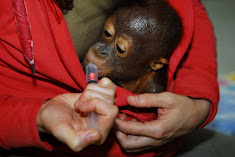


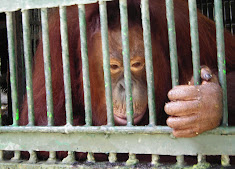


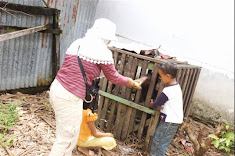
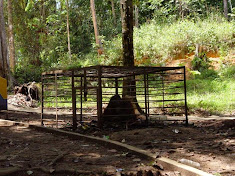

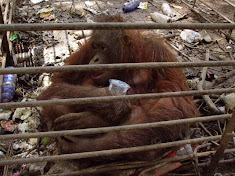



-a.jpg)


